UK inflation hits 3.5% as small firms face “pressure from both sides”

UK inflation rose to 3.5% in the 12 months to September after petrol and diesel prices surged, as one small business owner told Newspage he is facing “pressure from both sides”.

According to the Office for National Statistics (ONS), the Consumer Prices Index (CPI) annual rate was up from 3.1% in August.

Core CPIH (CPIH excluding energy, food, alcohol, and tobacco) rose by 3.1% in the 12 months to September 2026, up from 2.9% in August; the CPIH goods annual rate rose from 2.7% to 3.2%, while the CPIH services annual rate rose from 3.6% to 3.9%.

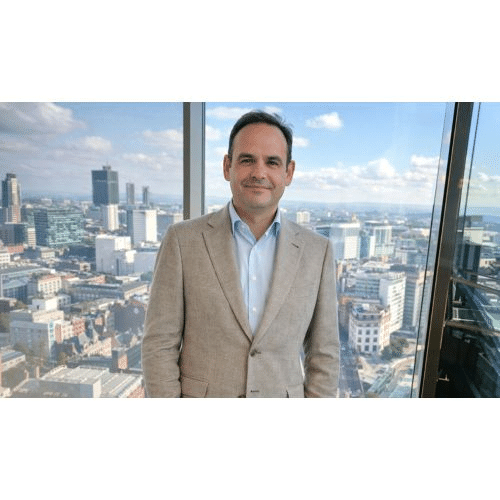
Tony Sanchez, Founder at Bridging Loan Director, said his business is being squeezed from both sides, with running costs rising while advertisers take longer to commit.

He commented: "As a small publisher running Bridging Loan Directory, I’m seeing pressure from both sides: our running costs are rising, while advertisers are watching their budgets more closely and taking longer to commit. That makes planning harder. Interest in working with us doesn’t necessarily disappear, but the decision takes longer, and we still have costs to meet while we wait.

“Another rise in inflation is frustrating because it adds uncertainty for us and our customers. Small businesses need enough confidence to make spending decisions, whether that’s advertising, hiring or investing in their websites. For the Budget,

“I’d like to see predictable costs, simpler administration and fewer surprises. Give small firms some breathing room and a clearer basis for planning. We spend too much time working around uncertainty when we could be getting on with growing our businesses."

Michelle Lawson, Director at Fareham-based Lawson Financial, warned that inflation is putting further pressure on household budgets and business finances, and the situation is becoming unsustainable in the long term.

She commented: “Most people are feeling this. The cost of everything is increasing at a rate of knots but the money in your pocket is diminishing. The political and economic instability is having a direct knock-on with rising costs passed on. Something needs to give in the Budget as this is unsustainable long term.”

Riz Malik, Independent Financial Adviser at Southend-on-Sea-based R3 Wealth, warned that rising inflation will push up wage expectations and could force the Bank of England to act.

He commented: “As inflation rises so will wage increase expectations and we will be back into a cycle where the Bank of England will be forced to act. This isn’t good news for households. This isn’t good news for businesses. This isn’t good news for borrowers.”

Matt Coulson, Founder at Rickmansworth-based Heron Financial, said small businesses need certainty from the Budget.

He commented: "For a mortgage business like ours, the direct cost of inflation matters, but the bigger hit is indirect. A 3.5% print keeps interest rates higher for longer, and that keeps the housing market subdued, which is felt across everyone who depends on people moving. 

"So inflation reaches us through our clients as much as through our own bills. My reaction is that the detail is more worrying than the headline. 

"This isn’t just fuel any more. Core and services inflation have both risen too, so it’s broadening out, which makes it stickier and pushes any rate relief further away. On the Budget, what small businesses need most is certainty and no fresh costs piled on top. 

“We’re already carrying higher employer costs and an uncertain outlook, and that’s what makes firms hesitate on hiring and investment. Give us stability and a clear direction, and plenty of us will get on and grow".

Stephen Perkins, Norwich Mortgage Broker and Managing Director at Norwich-based Yellow Brick Mortgages, believes firms cannot keep passing rising costs on to customers.

He commented: "Persistent inflation makes every business decision more expensive, from wages and suppliers to borrowing and investment. The problem for SMEs is that you cannot simply keep passing every increase on to customers, so eventually margins take the strain.

“What businesses need from the Budget is stability rather than another round of unexpected costs. Employers can plan around known taxes and costs; it is constant change and uncertainty that makes businesses hesitate over hiring and investment". 

Ben Perks, Managing Director at Stourbridge-based Orchard Financial Advisers said costs are rising across businesses, with many facing a challenging time. 

He commented: “Running a business in the UK feels like a white-knuckle ride. Every cost around you is rising, and the money coming in isn’t keeping pace. It’s a challenge that’s faced by multiple industries and with the Budget around the corner it’s a nervy time for directors". 

Rupert Collingwood, Founder at The London Broker, believes home buyers are thinking twice before committing to moving home. 

He commented: "Another day, another kick in the shins for the housing market. Stubborn inflation is giving consumers every right to be cautious about how they spend their money day to day. Would-be home movers are thinking twice currently before committing to a move which for the majority involves upsizing and taking on more debt.

“For businesses working in the housing market, this is reducing transaction volumes and trade. Government really needs to get a grip on this, including doing what it can to reduce the impact of fuel prices and the cost of living for everyone, not just their pet groups.”

Copy story

The raw alert

The question we put to Newspage’s experts, and their answers.

Show the original alert and 8 responses

Copy article

Inflation up to 3.5% – how is it affecting your business?

ended 21. October 2026

The Consumer Prices Index (CPI) rose by 3.5% in the 12 months to September 2026, up from 3.1% the previous month.

On a monthly basis, CPI rose by 0.4% in September 2026, compared with little change in September 2025.
Transport, particularly motor fuels, made the largest upward contribution to the monthly change in both CPIH and CPI annual rates; restaurants and hotels made the largest, partially offsetting, downward contribution.

Core CPIH (CPIH excluding energy, food, alcohol, and tobacco) rose by 3.1% in the 12 months to September 2026, up from 2.9% in August; the CPIH goods annual rate rose from 2.7% to 3.2%, while the CPIH services annual rate rose from 3.6% to 3.9%.

Core CPI (CPI excluding energy, food, alcohol, and tobacco) rose by 2.8% in the 12 months to September 2026, up from 2.6% in August; the CPI goods annual rate rose from 2.7% to 3.2%, while the CPI services annual rate rose from 3.4% to 3.7%.

Questions for Newspagers

  1. What effect is inflation having on your business?
  2. What is your reaction to inflation going up?
  3. What needs to be done in the Budget to help small businesses?

8 responses from the Newspage community

Copy all

Copy

Pro
Michelle LawsonVerified
Director at Lawson Financial
iContact details are shown to logged-in members. Log in
Most people are feeling this- the cost of everything is increasing at a rate of knots but the money in your pocket is diminishing. The political and economic instability is having a direct knock on with rising costs passed on. Something needs to give in the Budget as this is unsustainable long term.
Copy

Pro
Riz MalikVerified
Independent Financial Adviser at R3 Wealth
iContact details are shown to logged-in members. Log in
As inflation rises so will wage increase expectations and we will be back into a cycle where the Bank of England will be forced to act. This isn’t good news for households. This isn’t good news for businesses. This isn’t good news for borrowers.
Copy

Pro
Tony SanchezVerified
Founder at Bridging Loan Directory
iContact details are shown to logged-in members. Log in
As a small publisher running Bridging Loan Directory, I’m seeing pressure from both sides: our running costs are rising, while advertisers are watching their budgets more closely and taking longer to commit.

That makes planning harder. Interest in working with us doesn’t necessarily disappear, but the decision takes longer, and we still have costs to meet while we wait.

Another rise in inflation is frustrating because it adds uncertainty for us and our customers. Small businesses need enough confidence to make spending decisions, whether that’s advertising, hiring or investing in their websites.

For the Budget, I’d like to see predictable costs, simpler administration and fewer surprises. Give small firms some breathing room and a clearer basis for planning. We spend too much time working around uncertainty when we could be getting on with growing our businesses.
Copy

Pro
Matt CoulsonVerified
Founder at Heron Financial
iContact details are shown to logged-in members. Log in
For a mortgage business like ours, the direct cost of inflation matters, but the bigger hit is indirect. A 3.5% print keeps interest rates higher for longer, and that keeps the housing market subdued, which is felt across everyone who depends on people moving. So inflation reaches us through our clients as much as through our own bills. My reaction is that the detail is more worrying than the headline. This isn’t just fuel any more. Core and services inflation have both risen too, so it’s broadening out, which makes it stickier and pushes any rate relief further away. On the Budget, what small businesses need most is certainty and no fresh costs piled on top. We’re already carrying higher employer costs and an uncertain outlook, and that’s what makes firms hesitate on hiring and investment. Give us stability and a clear direction, and plenty of us will get on and grow. More cost and more uncertainty, and we’ll all keep sitting on our hands.
Copy

Persistent inflation makes every business decision more expensive, from wages and suppliers to borrowing and investment. The problem for SMEs is that you cannot simply keep passing every increase on to customers, so eventually margins take the strain.

What businesses need from the Budget is stability rather than another round of unexpected costs. Employers can plan around known taxes and costs; it is constant change and uncertainty that makes businesses hesitate over hiring and investment.
Copy

Pro
Harry GoodliffeVerified
Director at HTG Mortgages
iContact details are shown to logged-in members. Log in
My clients can’t catch a break, and that’s the real cost to my business. Inflation at 3.5% is another hit on top of higher bills, stamp duty and rates that refuse to come down, so the first-time buyer who could afford a deal in spring is being squeezed from every direction by the time they’re ready to apply. My reaction is frustration rather than surprise, because every policy decision of the last two years has landed on the people trying to buy a home. The Budget needs to leave small businesses and homebuyers alone for once.
Copy

Pro
Ben PerksVerified
Managing Director at Orchard Financial Advisers
iContact details are shown to logged-in members. Log in
Running a business in the UK feels like a white knuckle ride. Every cost around you is rising, and the money coming in isn’t keeping pace. It’s a challenge that’s faced by multiple industries and with the budget around the corner it’s a nervy time for Directors.
Copy

Pro
Rupert CollingwoodVerified
Founder at The London Broker
iContact details are shown to logged-in members. Log in
Another day, another kick in the shins for the housing market. Stubborn inflation is giving consumers every right to be cautious about how they spend their money day to day. Would be home movers are thinking twice currently before committing to a move which for the majority involves upsizing and taking on more debt.
For businesses working in the housing market, this is reducing transaction volumes and trade.
Government really needs to get a grip on this, including doing what it can to reduce the impact of fuel prices and the cost of living for everyone, not just their pet groups.