Small business owners share experiences of burnout and how to avoid it
SMALL business owners have shared their experiences of burnout and how to avoid it.
They say burnout is no longer just about long hours, but constant mental load, financial pressure and environments that never allow the body to properly switch off.
Many describe being able to stop working but still feeling tense, exhausted and on edge, particularly when juggling business ownership with caring responsibilities.
Several warn that traditional advice puts too much responsibility on individuals, while ignoring systems, workplaces and expectations that quietly drive people into burnout.
The shared message is clear: recovery comes not from pushing harder, but from redesigning how we work, rest and set boundaries before burnout takes hold.
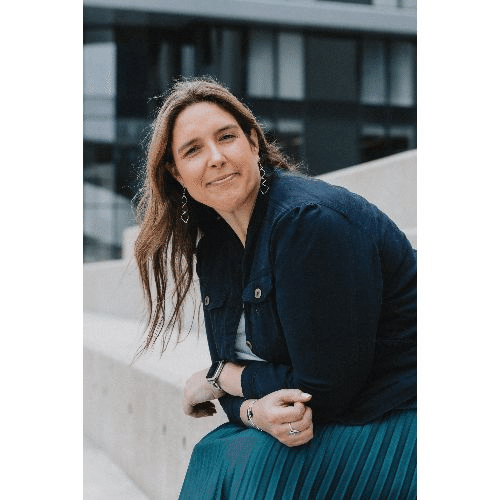
Bex Hamilton, Co-Founder at Branded Biophilia, said “reducing sensory load” is important.
She added: "I’ve experienced burnout myself as a small business owner, carer and single mother, and what surprised me wasn’t the workload but how hard it became to switch off, even when I stopped working.
"I realised I could be resting and still feel physically tense, with my body never fully downshifting. Most burnout advice focuses on the individual, but often ignores the environment. If nothing around you signals safety or calm, burnout becomes inevitable.
"The work I’m doing looks at how reducing sensory load in everyday spaces can allow recovery to happen automatically, without people having to try harder to relax."
Justin Brandon, Director at Bournemouth-based Scape Interiors West, said sometimes you need to take time out.
He added: "Burnout is a very real challenge for small business owners. Behind every shopfront is constant juggling: new staff training, daily operations, staff sickness, and unexpected family emergencies… At the start of January, two of my close family members were hospitalised with life threatening illnesses.
"For the first time in 18 years, I made the difficult decision to close the shop for 2 weeks to support them and then take a trip abroad that combined sourcing new products with much needed rest. Although I initially felt guilty stepping away, the break proved invaluable. We returned recharged, discovered exciting products, and maintained steady online orders that covered expenses.
"The experience reinforced an important lesson: taking a pause is not a setback but an investment in sustainability. Learning to set boundaries, rest, and care for ourselves allows us to come back stronger for our business and our family. Sometimes, the most responsible decision is simply to take time out."
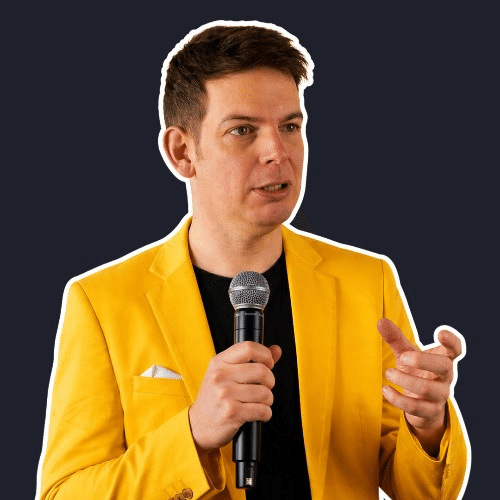
Gary Parsons, Leadership Wellbeing Speaker at Belper-based Selfish Thinking Co, said it took him being diagnosed with depression before he realised burnout was a thing.
He added: "I know first-hand what burnout really looks like. By 2017, I’d built a business turning over more than £1.2 million and growing at around 250%. On the surface, it looked like success, but it wasn’t sustainable. I’d become completely absorbed in the business, cut off from family and friends, and was living in a constant state of pressure.
"It wasn’t until I was diagnosed with severe depression that I recognised the cost of sacrificing myself to keep the system going. The shift didn’t come from working harder or becoming more resilient. It came from becoming more selfish in the right way. I prioritised my own mental health and wellbeing, rebuilt the business with a strong team, and stopped being a full-time people pleaser.
“That change allowed the business to thrive without me running on empty. I now work with founders and leaders on what I call Selfish Leadership, a strategy that puts them back at the top of their own list so they can lead, decide, and perform sustainably.”
Nicole Woodcock, Clinical Hypnotherapist at Bourne-based Hummingbird Hypnotherapy, said burning out is not failing.
She added: "The first year in business I burnt out. Trying to do all the things and then ending up not being able to do much at all. Thankfully being able to lean into support from my supervisor and friends helped me realise I have to come first.
“Acknowledging that we all need downtime but also work far more productively in the right environment and around the right people helps reduce its impact. Taking time off now brings perspective, new ideas and rest. It’s not failing.”
Helen Llewellyn, Founder at Elemental Tribe, saidit's important to take back control.
She added: "People are reacting to a system which has divorced itself from purpose, fulfilment and balance. People are doing what they think is best but have lost track of what feels best and what is best for them.
"We do indeed need to reset nervous systems and show people how to feel what is right for them. To take back control rather than to do what they are led to believe is right for everyone. Let's get this movement of system led change going."
Mitali Deypurkaystha, Human-First AI Strategist & Author at Newcastle upon Tyne-based Impact Icon AI, said it's important to switch off.
She added: "With nearly 50% of us likely to face mental health issues in our lifetime, why is burnout still treated as a personal problem rather than a silent systems failure?
"We’re telling people to ‘recover’ in workplaces, gyms and even wellness spaces that keep the nervous system stuck in stress. You can stop working and still never switch off if nothing around you signals safety or calm.
"Until we redesign the environments we spend our lives in, people will keep being blamed for problems those environments create."
Michelle Lawson, Director at Fareham-based Lawson Financial, said taking time out before bed can be transformative.
She added: “Burnout is real. When you are running a business and a home you are pulled in so many directions and there is so much external pressure to be successful – whatever that is deemed to be. Social media and influencers pile it on more too with their 'display' and 'advice' around their 'perfect' lives.
"As a small business owner, the red tape and regulation has gone through the roof and balancing home and work life is very skewed disproportionately. I would love the time for alternate relaxation techniques but after finishing work at 7pm, eating and switching off for 5 minutes my bed is calling in preparation to sleep, work repeat again.”
Colette Mason, Author & AI Consultant at London-based Clever Clogs AI, said you need to quieten the notifications sometimes.
She added: “Most burnout advice fails because it treats exhaustion like a personality problem instead of a design failure. If your environment keeps you alert, interruptible and overstimulated, you will not recover. The first fix is environmental, not emotional.
"Strip out harsh lighting, constant jangling notifications, background noise and always-available boundaries before you touch habits or mindset. Biology beats willpower. Build a daily downshift that doesn’t rely on motivation. Same time every day, ten minutes, no screens, low light, quiet. Treat it like locking up the business. Non-negotiable.
"Remove one chronic stress trigger and enforce it each week. Slack after 6pm, always-on email, open-door interruptions, constant audio stimulation. Pick one. Hold it. Reduce decision load. Burnout often arrives as decision overload disguised as busyness. A simple “not today” list protects judgement."
Colin Crooks MBE, CEO at Intentionality, said stress can be all-consuming.
He added: “Yes, I've been there. At my lowest point, with two small children and a failing business, the stress wasn't just professional – it was all-consuming. I questioned my ability to provide for my family, worried about my staff, and felt my reputation crumbling.
"What turned it around wasn't a wellness programme or morning routine. It was finding a mentor who'd been through it, who listened with genuine empathy and could cut through the noise with sound, practical advice.
"That clear-headed guidance gave me direction when everything felt lost and helped me rebuild both the business and my confidence. My advice? Stay fit, of course, but more importantly, seek out someone who knows the territory, can give you honest strategic input, and won't let you spiral alone.”
Kate Allen, Owner at Kingsbridge-based Finest Stays, said “a daily hour walk makes a huge difference”.
She added: “I have experienced burnout, and the worst period was when UK travel reopened after Covid. Hospitality was incredibly stressful, with constant rule changes, pinging apps taking staff out overnight, and coastal towns flooded with demanding tourists. At the same time, I was running the business while solo parenting a three year old.
"I had high anxiety, severe sleep deprivation, rosacea flare ups, and at one point lost the ability to make simple decisions. It was frightening, because as a business owner you are used to holding everything together. Now I try to spot burnout early. The biggest warning sign for me is when life outside work disappears.
"A daily hour walk makes a huge difference to my mental health and clarity, and I try to take five quiet minutes to remember what I am grateful for. Time with restorative female friends also helps. Burnout is not just workload; it is nervous system overload, and getting back to baseline is essential, not indulgent.”
Kate Underwood, Founder at Southampton-based Kate Underwood HR and Training, said it's important not to pass your stress on to your colleagues.
She added: “Burnout isn’t you being weak. It’s your business waving a red flag. When the owner’s burnt out, the whole hive feels it. You get snappy. Standards wobble. Absence creeps up. Good people leave because they’re tiptoeing around your mood, not doing their best work.
"And when you’re running on fumes you botch the basics: missed breaks, chaotic workload, ‘just one more late night’, messy conflict. That’s when grievances land. Not because your team’s difficult, but because your systems are.
"I see the ‘I’m fine’ boss all the time. No proper day off for months. Cancelling 1:1s. Emailing at 1am. Expecting everyone to match the chaos. That’s how burnout spreads. Stop treating it like a bubble bath problem. Fix the work.”