"My broadband is losing me money". Meet 4 business owners being hit for six by poor broadband
BROADBAND ‘not-spots’ are still a major issue for many business owners working from home, with some saying it's having a real impact on their bottom line and losing them money. Others are being forced to drive for half an hour just to get ‘hot-spot’ internet access and speeds. But those in the broadband gutter should consider looking to the stars, says one IT and telecoms expert.
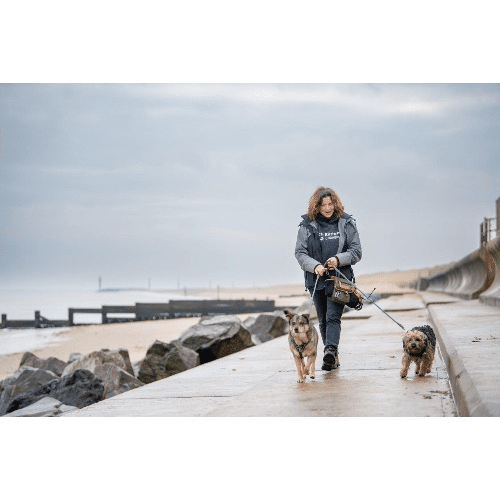
Sue Allen, who runs East Ruston Cottages in Norfolk, says: "I'm in a broadband 'not spot' and it's having a massive impact on my business. I run a £200K turnover company — East Ruston Cottages in Norfolk — renting out dog-welcoming holiday cottages but my broadband is losing me money.
"What people don’t see behind the scenes is how poor rural broadband is affecting my business. A key part of how we convert interest into bookings is via our online web chat. But when someone asks for prices or availability and I have to look it up, the broadband is so slow that, more often than not, they lose patience and leave. That’s a booking lost.
“It’s frustrating, not just because I’m losing money for both myself and the cottage owners, but because it’s out of my control. We are in a 'not-spot' and upgrades just haven’t reached us yet. This country needs better broadband and more inclusive broadband.”
Equally frustrated is Kundan Bhaduri, a property developer and portfolio landlord at The Kushman Group: "Running a property business in the South East should not feel like a test of digital survival, yet here we are. I operate from a rural home office just outside a market town that claims to be well connected. In reality, my broadband speed is barely enough to stream a song, let alone have conference call or conduct a virtual viewing with a tenant.
"I manage a portfolio of residential lets, handle regulatory compliance and coordinate refurbishments, all from a laptop that buffers more than it boots. The broadband infrastructure here seems designed for a gentler time, when emails were printed and Zoom was a board game. The government preaches digital ambition for small firms, while leaving thousands of us in connectivity limbo."
Meanwhile, landlord and property manager, Jonathan Moser, CEO at Mo'Living, says he's all at sea when he heads to the Lakes: “I split my time between London and my second home in Kelleth, in the Lake District. While it’s an idyllic place to recharge, running a business from there is almost impossible due to appalling connectivity.
"There’s no mobile reception, and WiFi is painfully slow and unreliable — often cutting out entirely. Every month, I try to spend a few days there, but I end up driving 20–30 minutes to the nearest town just to send emails or join video calls.
"It completely defeats the point of working remotely and ruins what should be a relaxing stay. I’ve explored every option, from signal boosters to satellite broadband, but nothing has worked consistently. It’s frustrating to think that, in 2025, rural areas are still digital “not-spots” given that reliable connectivity is essential for running any modern business.”
Samuel Mather-Holgate, an Independent Financial Adviser at Swindon-based Mather and Murray Financial, is another business owner who tries to work from home but is better off using smoke signals to communicate with his clients: “Our broadband is still on a copper line and despite BT guaranteeing a minimum speed, we are regularly getting 2mbps. That’s barely enough to watch something on iPlayer let along run a business. There's absolutely no chance of running the business from home, which leads to mega losses in productivity. Come on Labour, sort it out.
"We have had 30 engineers to our home in the last 18 months as there are continuous faults on our line. Even our MP has got involved. Despite all of this, and having a disabled husband, BT couldn’t care less. They have given a ‘deadlock’ response which allows us to terminate our contract. The problem is Openreach own the infrastructure and there’s no sight of this being upgraded despite the legal deadline.”
Alex Richards, Director at Liberate IT, said Starlink could be the solution for those stuck in broadband ‘not-spots’: “We see many business owners and directors who live in beautiful locations but can't get the broadband service they need to work from home. Historically we have solved this using local providers of wireless internet, who use masts in local areas and beam wifi straight to your home. This was quite expensive since there wasn't much competition, and the support was hit and miss. You were also susceptible to interference from storms or even trees growing between your location and the masts, as they required line of sight.
"Satellite internet was always an expensive option, then Starlink entered the market and we finally have an alternative that is more reliable than wifi links, and very affordable. They recently had an offer so there were no upfront costs to the hardware. We have some clients using Starlink without an issue, and even some who use Starlink as a backup connection should their hardwired internet go down. It's the perfect solution for not-spots.”
Starlink residential packages are currently available to Brits from £75 a month, with the kit, usually costing £299, available for free.