Experts hit back at worklessness tsar: "Grit is good. Grinding people down isn’t"
BUSINESS owners and workplace wellbeing experts have hit back after former John Lewis Partnership chairman, Sir Charlie Mayfield, who is leading the Government's Keep Britain Working Review, said too many young adults are signing off sick when they struggle with hard work.
Sir Mayfield claims the UK's spiralling worklessness crisis is being made worse by GPs writing sick notes for stress or anxiety caused by difficult tasks at work, essentially over-medicalising everyday challenges and issues — and leaving businesses exposed as a result.
Some experts rejected the suggestion that the younger workforce is work-shy and said businesses need to overhaul their relationship with wellbeing and mental health in a world that is radically different to just a decade ago; others criticised the culture of easy sick notes from GPs and said small businesses are being hit hard by illness and staff absence.
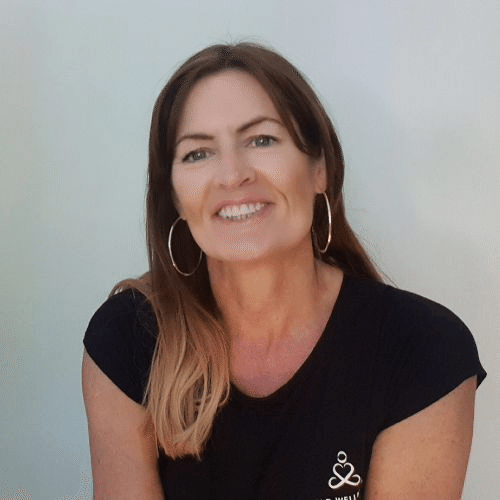
Cheryle Britton, Managing Director at Preston-based YOLO Wellbeing, urged businesses to see wellbeing as integral to their operations and culture, rather than a perk: "Forward-thinking organisations know wellbeing isn’t a perk, it’s a performance driver. If we’re serious about change, prevention has to replace patch-ups. We need to fix the basics, namely give employees clear expectations, sustainable workloads and managers who are trained to spot red flags before burnout hits.
“Wellbeing isn’t a gym membership. It’s survival. Scrap tax penalties. Reward businesses that invest in real occupational health, grounded in the biopsychosocial model. Because stress isn’t just in someone’s head. It’s workload. It's culture. It's life. Let’s teach resilience and pressure-handling before people enter the workforce. Because grit is good. Grinding people down isn’t.”
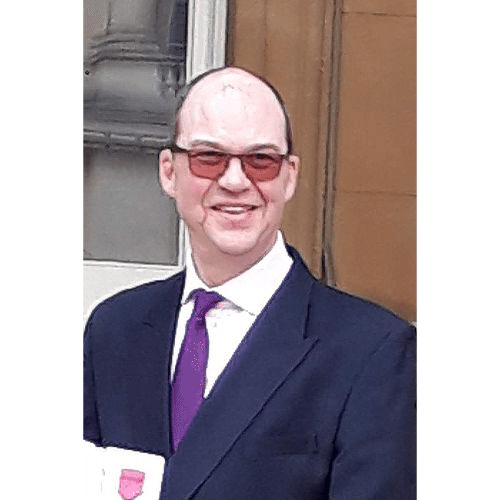
Colin Crooks MBE HonDsc, CEO at Intentionality, said structural change is needed: “We need a two-pronged approach to the Fit Note challenge. Firstly, we should be encouraging better support in the workplace, starting with the job specification and continuing through the whole experience of work including, crucially, the work culture itself.
"Secondly, we need to develop an occupational health service at every GP surgery, one which has the knowledge and the experience to help people whose work is making them ill. The support infrastructure both in and outside the workplace often just isn't there.”
Dr Patrick Bensen, Founder and CEO at Brainmark Health, is another who believes mental health support in the workplace should be 'preventive' rather than reactionary: "I see sick notes for stress and anxiety as a symptom of a bigger issue: we lack objective tools to distinguish everyday pressure from genuine burnout and fatigue.
"Rather than relying solely on GP notes, we should move to a preventive health model: larger employers investing in occupational health, access to independent assessments and data-driven tools. At our company, we’ve created a 6-minute predictive mental health assessment that measures fatigue, stress, anxiety, chronic insomnia, depression and burnout straight from the brain in a non-invasive procedure, giving employers and clinicians evidence to act fairly and early.
“The solution lies in shifting from a reactive “sick-note culture” to a preventive model, where larger employers take greater responsibility for occupational health and use data-driven tools to support wellbeing. Prevention and real-time measurement, not paperwork, is what will reduce long-term absence.”
Clive Bonny, Managing Director at business consultancy, Strategic Management Partners, said employers need to make sure they do their research before hiring: “Most employers fail to check the attitudinal resilience of new hires during recruitment. This should be part of competency-based assessment supported by personality profiling. This can be fast and effective and ensure potential issues are understood in advance.”
But Oli Garnett, Co-Founder at Bristol-based Something Familiar, a creative agency, criticised the suggestion young Brits are work-shy: "Saying young people are ‘signed off for hard work’ misses the point. Stress and anxiety aren’t weaknesses, they’re signals that something in the system is broken.
"Sick notes don’t cause the problem, they shine a light on it. As employers, we’ve got two choices: blame a generation, or build workplaces that don’t burn people out.
“Bigger firms should absolutely invest in proper occupational health, but the real fix is much simpler: fair pay, realistic expectations and leaders who see their teams as humans, not headcount. Do that, and sick notes become the exception, not the rule.”
Pete Mugleston, Managing Director at Derby-based onlinemortgageadvisor.co.uk, a mortgage broker, said there needs to be a specialist team to look after people who are signed off from work.
He said: "Workers need a safety net so they can take time off if they are struggling with stress or anxiety, but GPs shouldn’t be the ones carrying the long-term burden. A standard GP appointment is around ten minutes, which is fine for physical health issues but nowhere near enough for complex mental health cases.
“After an initial sign-off, stress and anxiety cases should be passed to a specialist team who can properly assess whether someone is fit to work. That would protect workers’ rights, take the pressure off GPs, and make sure people get the right support without the system being open to abuse.”
Samuel Mather-Holgate, Independent Financial Adviser at Swindon-based Mather and Murray Financial, criticised what he called the over-eagerness of GPs to give sick notes.
He continued: "There is an epidemic, but not a mental health crisis, more an over-exuberance to use the script at the local GP surgery. Without doubt, the pressure facing young people today is different from a generation ago but the solution is not, simply, to suggest a month of day time television might remedy things.
“The government need a structured plan for those that feel disenfranchised and who present this as stress and anxiety. The DWP, as well as other departments need to grab the nettle to change the trajectory of British productivity.”
Debbie Porter, Managing Director at Bakewell-based Destination Digital Marketing, said small businesses are being hit hard by sicknesses: "A 'sick note' can be ordered online and GPs have stated that handing out fit notes on the say-so of the patient is easier and less risky for them than investigating whether that person is truly unfit for work, most especially when it comes to mental health problems.
"Sick notes' for mental health are particularly problematic for small businesses. As a protected characteristic, and with no need for a diagnosis, it is perfectly positioned for abuse by individuals.
"Employers are tied for up to 26 weeks of long-term sick pay, whilst also paying for replacement staff to do the work of the absent employee. This can be disruptively expensive. At the 26 weeks mark, the individual is then handed over to DWP, where much more punitive rules kick in, in terms of assessing fitness for work.
“Awareness and societal acceptance of mental health issues is a great leap forward, but feeling anxious or sad or uncomfortable at times are 'bad emotions' that are not always synonymous with mental illness.”
But Esme Marshwitch, Owner at Alton-based The Glassy Witch, slammed Sir Mayfield: “I would imagine that Sir Mayfield has absolutely no idea what current work environments are like for those not at the top of their particular tree. Modern day workplace stress is in no way comparable to even a decade ago.
"There is so much more uncertainty in the world now. So much chatter about the potential for layoffs in all industries, and all against a backdrop of near constant reports of wars, climate instability and a cost of living crisis, which I would suggest may not be affecting the Sir Mayfields of this world as much as the rest of us.”
The Keep Britain Working Review, part of the government's Plan for Change, is investigating Britain’s growing worklessness crisis and intends to identify ways that government and businesses can work together to support ill and disabled people into work, boost living standards — and grow the economy.