Our retail trade is very poor as families look for the cheapest possible alternatives to their normal purchases. Our biggest challenge is convincing the public that cheap is usually not the best option and that value is far more important, but many don't look beyond the price tag. "Buy cheap, buy twice" has never been more important. We are not greatly optimistic about the rest of the year or even the Christmas period as the price pressures from energy and fuel are just not reducing at all.
We're facing staffing and recruitment hurdles, a common issue plaguing many businesses. One client even had their recruitment agent exclaim, "I don't know where you think I'm going to get the candidates from." It's a UK-wide challenge. But that's not all. We're also tackling terrible service from insurance companies and pension providers, with 35-day turnarounds not being unusual. That said, we've recently expanded our team and look forward to helping many more clients secure and enjoy a comfortable retirement.
For us enquiries are up over 35% year on year and we are continuing to recruit and grow. However this is in spite of, rather than thanks to the underlying economic situation and market conditions.
The main impact the current economic catastrophe is having on small businesses is the consumer confidence crisis. Both the government and Bank of England lack credibility, no one has confidence in what their plan is, or if they even have one. Confidence won’t return when inflation is under control, but when there is a new captain at the helm.
The government ought to focus on addressing the nation's lagging business investment, which is a significant factor in the UK's productivity gap with other G7 economies. Measures must be introduced in the Autumn Budget aimed at easing labour supply issues by allowing entry for seasonal labour from Europe and skilled migrants from the Commonwealth. Small businesses rely on crucial staffing to thrive. Despite higher wages boosting tax revenues, the OBR faces the challenge of adjusting to the increased borrowing costs today. Despite all the positive signs, households are facing their own challenges. Rising interest rates have hit homeowners and renters, impacting discretionary spending and affecting small businesses that rely on consumer demand.
Interest rates and inflation are still a worry for businesses. There is optimism but it’s taken quite a few knocks this year. Low economic growth, workforce issues and huge overheads are chipping away at confidence. Add to the mix news of unemployment growing by 159,000 in the last quarter and you get a growing sense of unease. We’re seeing the ripple effects amongst businesses with many re-thinking or re-prioritising investment plans. When things are uncertain there’s caution, particularly when it comes to larger investments. That’s a worry for the economy because businesses that invest, grow. This in turn feeds the economy, productivity and confidence but to get to that point businesses need some stability. Where SMEs need the most support is around planning and forecasting, gaining access to capital swiftly and building the financial headroom needed to ease cashflow pressures and look to next year with confidence.
As a litmus test from London, I see no sign of empty shopping outlets, supermarkets, coffee shops, and eateries - people are out spending their money it seems. I hear stories from all the trades that they are busy and struggling to keep up. 2023 looks set to finish on a high.
We work daily in the HR, People and Culture space, and one of the key issues we face, and indeed face ourselves is meeting the demands of the incoming generation of workers. We know that Generation Z is ‘all about the cold hard cash’, but businesses facing harsh budget cuts and financial pressure from all angles are struggling to offer this, and therefore unable to attract new talents. This in turn leaves a growth issue for them. It’s a vicious circle. We would love to see more done to help small businesses bring on new talent with less of a financial risk to themselves.
Small businesses are doing what they've always done - rolled up their sleeves, and adapted to whatever is thrown at them. Sky-high inflation? Let's reduce our own margins to avoid passing costs onto our customers. Lack of affordable skilled workers? Let's just work harder ourselves. Interest rates heading to the moon? Let's take on personal debt to keep the lights on. Doing "whatever it takes" is a small business owner's superpower.
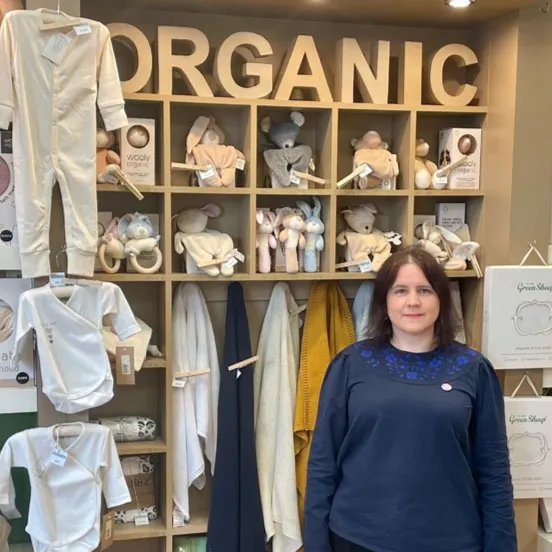
Our economy is simply not working at the moment. I have been holding onto my shop unit, living in the hope that the trains would finally stop striking, that the drivers with blue badges could finally return to the High Road (a promise by TFL, didn't happen); and that our economy would start to improve. Sadly this just has not happened. I now own an online Independent shop, and so far half of my customers have been from abroad, possibly making the most of a weak pound. The purpose of my business is to source and sell ethically made organic and natural baby and toddler items. I have got in as many of the lower priced items as possible to see if it would help to keep the shop going on the High Road, but not enough people were turning up to buy even the lower priced items while all the bills were going up for the shop too. I hope that I can now start to get the business going more as an online business and that our economy gets better for all.
For ourselves, I think it's fair to say the current outlook is cautious optimism. On the face of it, that sounds good, but the reality is that we are increasingly seeing potential clients take longer and longer to make major commitments. I think this is because people are nervous. Will interest rates go up again? Will the job market stagnation continue? Will the pound lose value against the dollar/euro? Hopefully, we can now have a few months of economic stability and the nervousness will be replaced by confidence.
Interest rates remain high and are likely to do so. Combine that with increasing wage demands, high fuel costs and high energy costs and businesses are facing a tough time. We are seeing businesses looking to restructure expensive funding as it makes them unviable. This is both in terms of cash flow as repayments rise and in terms of profit and loss as costs increase.
It's getting harder to stay optimistic in these cash-strapped times but we are trying. This is the time of year when I would expect to be bringing in lots of new stock items but we simply don't have the cash flow to be able to provide the items that we normally would. More than anything, the impact that this is all having on our mental health is extortionate and it's so difficult to see the light at the end of the tunnel.
It's tough out there. Banks are becoming increasingly nervous about lending to businesses with more of our clients reporting issues with financing and liquidity. Many of them can see opportunities but without finance, they are going to be unable to take advantage of them. This in turn will have a negative effect on the economy as profits are curtailed and job opportunities are not created.
We are still incredibly busy, and our figures for 2023 are better than any previous year, which, given the current state of the UK economy is quite surprising. The main challenge we are facing at the moment is that clients and the general public are panicking and getting very stressed about their finances, but in most cases once we speak to clients and find out their worries we can explain the options available and ease their stress levels. I’m still feeling very optimistic for the rest of 2023. The past few weeks have been much busier than August with first-time buyers and clients agreeing sales on their homes so it seems like the property market locally is picking up again.