Copy article

Rural housing and wellbeing

ended 10. September 2025

New report just out from the Office for National Statistics covering all areas of rural life, from housing and wellbeing to mobile connectivity and crime rates. Some key findings below, full report >> here <<. Any thoughts, and have a skim of the report, send them across ASAP as this story is BREAKING.

  • Around 10 million people live in rural areas, and since mid-2020, the population has been growing faster than in urban areas.
  • The more rural the area, the higher the average age, and the faster this average age is increasing.
  • Average sale prices of residential properties are higher in Rural areas than in Urban areas, however average rent prices are lower.
  • On average, a child born now in a Rural area can expect to live longer than a child born in an Urban area. Preventable mortality rates are similar between settlement types, and the infant mortality rate is lower in Rural areas than in Urban areas. However, the registered suicide rate is higher in Rural areas.
  • Over the last 5 years, Rural residents typically rated their wellbeing higher than the average scores given by people living in Urban Areas; but in both areas, average wellbeing scores are lower than prior to the COVID-19 pandemic.
  • The recorded crime rates in Predominantly Rural areas were generally lower than in Predominantly Urban areas; the proportion of offences resulting in a charge/summons was slightly higher.
  • The availability of broadband and mobile services in rural areas can be poorer than in urban areas – with lower speeds or coverage – but coverage has been improving year on year.
  • In 2021 people living in the most Rural areas travelled almost twice as far per year than those in the most Urban areas.
  • There are proportionally fewer electric plug-in cars and publicly available electric vehicle chargers in Rural areas compared to Urban areas.
5 responses from the Newspage community

Copy all

Copy

Design of rural areas is intrinsically more human-centric and uses more biophilic design principles, which are all contributing to increased physical and mental wellbeing as well as prosocial behaviour. Utilising more behavioural design principles in urban areas can produce similar results. With increased loneliness, mental health issues and antisocial behaviour, it is a matter of urgency that city planners, architects and BIDs work with psychologists to create more human-centric and humanity-centric urban designs. It is not only positively impacting wellbeing, but also contributing to increased sense of safety, strength of community and commercial KPIs like sales and dwell time in high street businesses, supporting the whole economy.
Copy

Soulla Demetriou, Somatic and Transformational Coach, Internal Family Systems (IFS) practitioner says:

New ONS data confirms what many instinctively feel: rural life boosts wellbeing. From a nervous system perspective, it offers many of the conditions our bodies crave: more time in nature, more sky, less noise, less crowding. These are not luxuries; they calm the stress response, lower cortisol, steady the heart rate, and allow our bodies to rest and repair.

Our nervous systems need co-regulation — safety cues from others. Rural communities can enhance this through connection.

Yet there's a troubling paradox; While rural areas score higher on wellbeing measures, they also show elevated suicide rates. The same tight-knit communities that can provide vital human connection may exclude those who don't fit the mold.

The solution isn't just better roads or housing, it's building inclusive community networks and ensuring mental health services reach every corner of rural Britain.
Copy

People instinctively know that feeling connected to the natural world around you is beneficial for health.

Modern pressure to do more and have more creates crisis.

Many of those taking their own lives are farmers. More support and less commercial pressure is needed.
Copy

Research shows that time spent outdoors restores attention, reduces stress, and improves cardiovascular health . Similarly, rural settings that foster everyday contact with green and blue spaces have been associated with higher life satisfaction and lower levels of anxiety and depression.

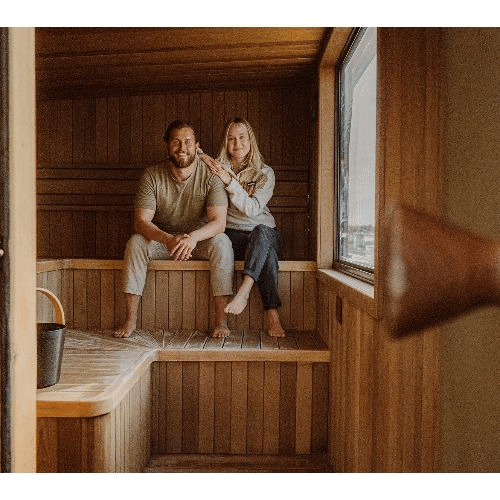
Communal practices rooted in the natural environment—such as outdoor sauna bathing on the Dorset coast—illustrate how these rural advantages can be deepened. Studies show that sauna use lowers stress, improves sleep, and strengthens heart health.

“What we’re seeing in Dorset is that rural wellbeing isn’t just about the absence of stressors you might find in cities. It’s about building rituals in nature that sustain community connection and good mental health.


In sociology, there’s a concept called ‘third place’ - a space outside home and work where people can gather, connect, and reset. A shared sauna session – as well as multiple health benefits - can offer just that.
Copy

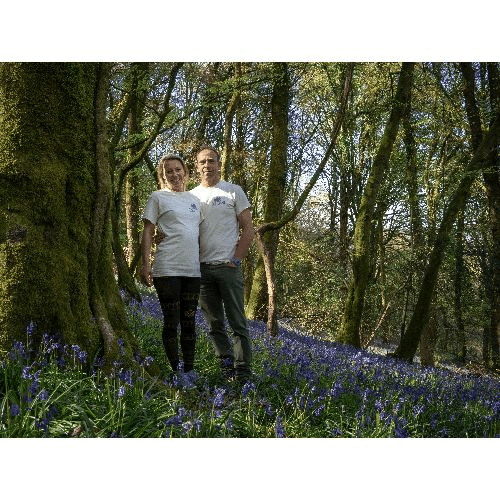
Tom Court has witnessed a surge in city dwellers seeking rural refuge. His specialty, Shinrin Yoku, total forest immersion, helps guests reduce stress hormones and boost cancer-fighting cells through guided nature experiences.

He says:

"Guests are sharing how overwhelmed they feel living in cities because of the sheer number of people and pollution levels," says Court. "Many are now talking about buying properties locally in the Wye Valley.

Our retreat's popularity reflects the growing awareness that forest air itself provides 50% of the health benefits, boosting immune systems through natural chemistry. As urban pressures mount - from noise and crowds to reduced leisure budgets due to funding cuts - more people are choosing to relocate for better long-term wellbeing.