
Copy article

Brits committing "cardinal sin" when it comes to their pensions

ended 18. July 2025

BRITS running their own businesses are committing a cardinal when it comes to their futures, financial experts say: failing to invest in a pension. Worse, they say the trend is on the rise, potentially due to many business owners struggling in the faceof  countless fiscal and economic headwinds. Failing to invest in a pension, the experts continue, is not just a dangerous strategy but sees them lose out on valuable tax reliefs.

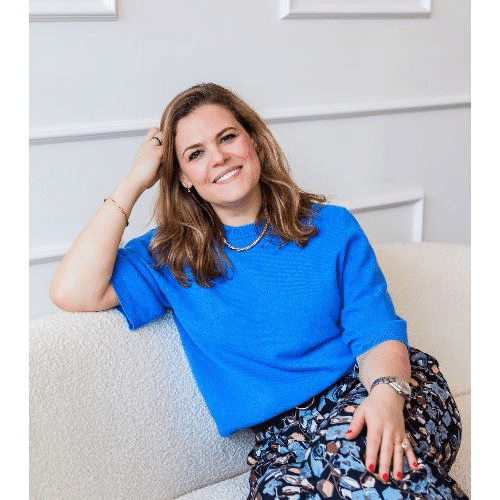
Philly Ponniah, Chartered Wealth Manager and Financial Coach at Philly Financial, said: "Too many people running their businesses commit the cardinal sin of not putting money aside into a pension. This worrying pattern among small business owners is on the rise. These people are hiring teams and creating value but not putting anything aside for their own futures. They have no pension, no long-term plan and, often, no idea that they could reduce their corporation tax by contributing to a pension directly from their business.

“Many are prioritising the growth of their business and reinvesting everything in it but this is highly risky. Because what happens if the business doesn't sell, or can't operate if you need to step back? Business owners should remember that a pension protects their future and lowers their corporation tax bills.”

Riz Malik, Director at R3 Wealth, agreed: “Too many self-employed people make the fatal mistake of relying on selling their business to fund their retirement. They neglect pension planning altogether as they believe a sale will solve their lack of saving and set them up for a safe future. They are laser-focused on their business needs while praying for a lucrative exit. This strategy is highly risky and can leave them exposed if the business underperforms. Regular pension contributions not only offer tax advantages but also provide long-term financial security, independent of business outcomes.”

Samuel Mather-Holgate, Independent Financial Adviser at Mather and Murray Financial, also issued a warning: “Many small business owners don’t contribute to a pension because they believe they can sell their company when they want to retire. What they don’t appreciate is that a lot of the value of a small business is the owner, and once sold it doesn’t generate the same revenue or profit. This makes securing a buyer virtually impossible. It’s vital to do your research and see how to sell your business and what valuations are like, which will vary widely from sector to sector. If the majority of the value is wrapped up in you, get planning for your retirement with an adviser ASAP or risk a serious retirement wake-up call.”

Rob Mansfield, Independent Financial Advisor at Rootes Wealth Management, urged people to not put all their eggs in one basket: "Relying on your business to be your pension is risky because, for lots of small businesses, the business is you, the owner. It might not be worth as much as you think to a new buyer if they have to hire someone to replace you. Putting a bit of your earnings into your pension rather than drawing them out can save on a range of taxes and help set you up for your future. The old saying is "don't put all your eggs in one basket" and saving into a pension allows you to build up a separate pot of wealth that spreads your risk."

Colin Low, Managing Director at Kingsfleet, echoed Mansfield: “The most common phrase in investing is 'don't put your eggs in one basket', and yet many business owners do exactly this when thinking of their retirement. It's important to remember three key issues when considering the value of a business: You may not be able to make the sale when you want, on the terms you want, for the amount you want. Therefore, having pension arrangements, which should have been funded from the business' profits, help to take away the reliance on the sale value alone.”

6 responses from the Newspage community

Copy all

Star Quote
Copy

Too many people running their businesses commit the cardinal sin of not putting money aside into a pension. This worrying pattern among small business owners is on the rise. These people are hiring teams and creating value but not putting anything aside for their own futures. They have no pension, no long-term plan and, often, no idea that they could reduce their corporation tax by contributing to a pension directly from their business. Many are prioritising the growth of their business and reinvesting everything in it but this is highly risky. Because what happens if the business doesn't sell, or can't operate if you need to step back? Business owners should remember that a pension protects their future and lowers their corporation tax bills.
Copy

Too many self-employed people make the fatal mistake of relying on selling their business to fund their retirement. They neglect pension planning altogether as they believe a sale will solve their lack of saving and set them up for a safe future. They are laser-focused on their business needs while praying for a lucrative exit. This strategy is highly risky and can leave them exposed if the business underperforms. Regular pension contributions not only offer tax advantages but also provide long-term financial security, independent of business outcomes.
Copy

Many small business owners don’t contribute to a pension because they believe they can sell their company when they want to retire. What they don’t appreciate is that a lot of the value of a small business is the owner, and once sold it doesn’t generate the same revenue or profit. This makes securing a buyer virtually impossible. It’s vital to do your research and see how to sell your business and what valuations are like, which will vary widely from sector to sector. If the majority of the value is wrapped up in you, get planning for your retirement with an adviser ASAP or risk a serious retirement wake-up call.
Copy

Relying on your business to be your pension is risky because, for lots of small businesses, the business is you, the owner. It might not be worth as much as you think to a new buyer if they have to hire someone to replace you. Putting a bit of your earnings into your pension rather than drawing them out can save on a range of taxes and help set you up for your future. The old saying is "don't put all your eggs in one basket" and saving into a pension allows you to build up a separate pot of wealth that spreads your risk.
Copy

Running a business means spinning a dozen plates—and the one that often wobbles is our own pension. Banking on a future sale is a hope, not a plan. Skip contributions and you miss two big wins: a dependable income later and the tax breaks HMRC is practically waving at us.

Company pension payments cut this year’s corporation‑tax bill. Personal top‑ups earn basic‑rate relief instantly (higher‑rate comes via self‑assessment). Even modest monthly amounts snowball if you give them a decade or two.

Here’s my three‑step cheat sheet:

Pay yourself first: automate a monthly pension payment, just like staff auto‑enrolment.

Book 30 minutes with an IFA to set a figure that won’t strangle cash flow.

Keep the exit dream, but model a real valuation—then treat any sale cash as the cherry, not the cake.

Looking after Future‑You isn’t indulgence; it’s the same good governance we expect from any responsible employer.

Copy

The most common phrase in investing is 'don't put your eggs in one basket', and yet many business owners do exactly this when thinking of their retirement. It's important to remember three key issues when considering the value of a business: You may not be able to make the sale when you want, on the terms you want, for the amount you want.
Therefore, having pension arrangements, which should have been funded from the business' profits,, help to take away the reliance on the sale value alone.