Government announces £185million food tariff cuts – but experts say it only works out at 12p a week per household

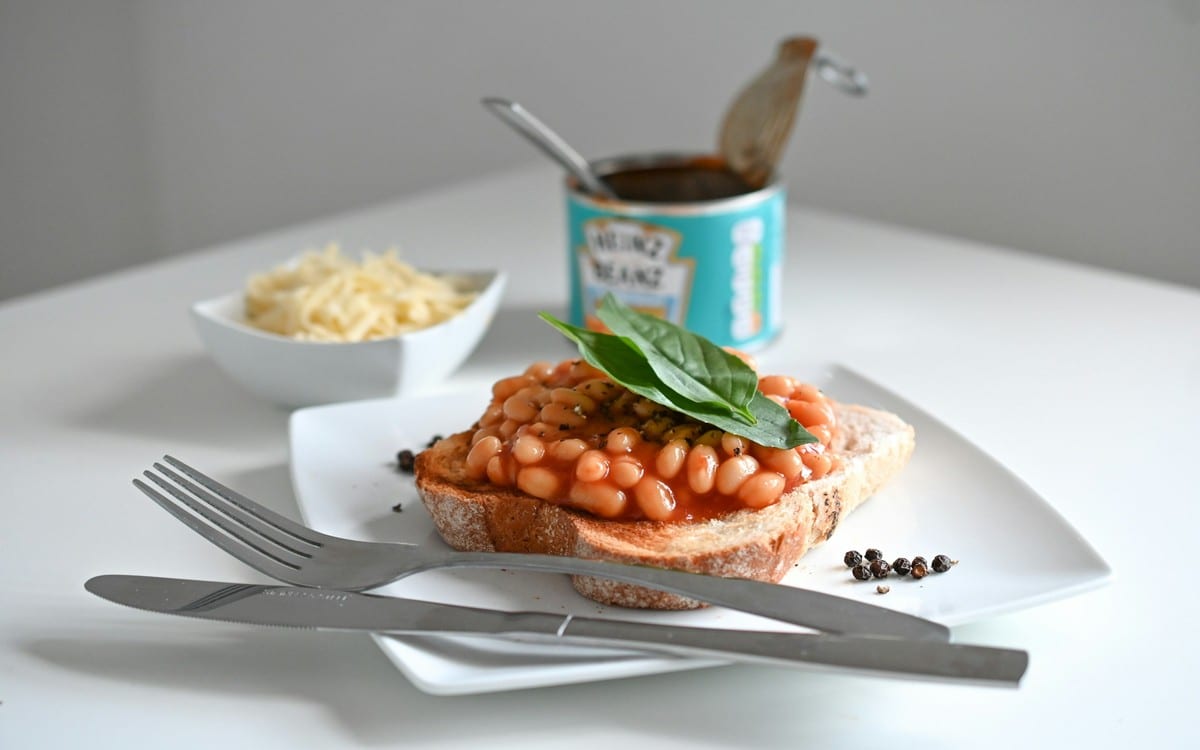
Baked beans on toast
Government has announced £185million food tariff of cuts · Photo by Nik on Unsplash

Food tariff cuts the Treasury says will save consumers up to £185million a year are worth no more than 12p a week to the average UK household, experts told Newspage.

Chancellor John Healey said suspending food tariffs on more than 100 products, including baked beans, chocolate, garlic and heating oil, from yesterday (26 November) would put up to £185million a year back into families' pockets.

But spread across the UK's 29million households, according to the Office for National Statistics, that amounts to a maximum saving of just £6.38 a year – or around 12p a week.

Will 12p a week make any difference?

Paul Denley, CEO at London-based Oakham Wealth Management, commented: “At up to £185million, the headline figure sounds impressive, but it equates to just 12p a week per household, unlikely to make any discernible difference to most family finances. While removing tariffs is welcome, the Government should be realistic about the scale of the benefit. Whether consumers see the savings will depend on competition. Importers, wholesalers and retailers may use the reductions to offset rising employment, energy and other operating costs. There is no guarantee that lower tariffs will translate into lower shelf prices. 

"What would make a meaningful difference this winter is lower energy bills and greater disposable income. Reducing the tax burden on working households and easing cost pressures on businesses would have a far more tangible impact. The Government needs to address the underlying drivers of the cost of living crisis rather than chip away at the edges.”
 

Michelle Lawson, Director at Fareham-based Lawson Financial, commented: “While it seems significant, when scaled down is nothing short of embarrassing and almost condescending and patronising to many families. A saving of a paltry 12p a week is like loose change to most and will just be lost or absorbed elsewhere. There is probably more down the back of a sofa! It's about time the Government made more meaningful cost of living changes to the things that really matter.”

Will the tariff cuts reach supermarket shelves?
 

Tony Redondo, Founder at Newquay-based Cosmos Currency Exchange, commented: “I like gherkins, but 4p off a jar won't change my life. Saving at most £6.38 a year, about 12p a week won't touch the sides when we have the highest energy costs in the G7 (a cumulative 23.4% rise in the Ofgem price cap), water bills up an average of 33%, council tax up over 10% and inflation up 8.3% since Labour took office in July 2024. Add the millions dragged into the 40% bracket by fiscal drag and it's no mystery why household budgets are squeezed until the pips squeak. 

"With retailers and manufacturers hit by £66billion of tax rises in the same period, they'll very likely pocket these minuscule duty cuts to rebuild margins. Cutting tariffs on cocoa paste moves final prices by fractions of a penny, lost in standard price points. The basics matter far more: cut taxes, cut net zero subsidies, and target bill relief and income support, direct rebates like the £150 Warm Home Discount, lower standing charges, and benefits that keep pace with inflation.”
 

What would actually help households this winter?

Nouran Moustafa, Practice Principal & IFA at Roxton Wealth, commented: "£185million sounds impressive until you divide it between 29million households. That's potentially £6.38 a year, or roughly 12p a week. I welcome anything that reduces living costs, but let's not pretend 12p a week will transform someone's finances. And that's assuming the savings actually reach consumers. Lower import costs don't automatically mean cheaper supermarket prices. Retailers and suppliers have their own margins to consider. 

"What households need this winter is meaningful relief on energy bills, housing costs and everyday essentials. I'd also like to see greater transparency around whether these tariff reductions are being passed on. My view? The government shouldn't measure success by how impressive a £185million headline sounds. It should measure success by how much money families actually have left at the end of the month. Twelve pence a week isn't financial breathing space. It's barely enough to notice."


Liam Buckler

Liam Buckler

Deputy Head of News, Newspage

Liam Buckler is Deputy Head of News at Newspage. He is a fully qualified multimedia journalist with experience across local and national media, and was a senior journalist at the Daily Mirror, where he helped launch Mirror US and covered news and current affairs.

As reported by

The raw alert

The question we put to Newspage’s experts, and their answers.

Show the original alert and 4 responses

Copy article

The Treasury says tariff cuts will save consumers up to £185m a year. What impact will this have on household budgets?

ended 27. November 2026

The Treasury says suspending tariffs on 100+ products, including baked beans, chocolate, garlic and heating oil, will save consumers up to £185m a year. Spread across 29 million UK households, that's at most around £6.38 a year, or 12p a week.

Questions for Newspagers

  1. The Treasury says the tariff cuts will save consumers up to £185 million a year, or at most £6.38 per household. How much difference do you expect this to make in practice?
  2. Will tariff cuts like this actually reach shelf prices, or are they absorbed along the supply chain?
  3. What would make a real difference to household budgets this winter?

4 responses from the Newspage community

Copy all

Copy

Pro
Nouran MoustafaVerified
Practice Principal & IFA at Roxton Wealth
iContact details are shown to logged-in members. Log in
£185 million sounds impressive until you divide it between 29 million households. That's potentially £6.38 a year, or roughly 12p a week.

I welcome anything that reduces living costs, but let's not pretend 12p a week will transform someone's finances!

And that's assuming the savings actually reach consumers. Lower import costs don't automatically mean cheaper supermarket prices. Retailers and suppliers have their own margins to consider.

What households need this winter is meaningful relief on energy bills, housing costs and everyday essentials.

I'd also like to see greater transparency around whether these tariff reductions are being passed on.

My view? The government shouldn't measure success by how impressive a £185 million headline sounds. It should measure success by how much money families actually have left at the end of the month.

Twelve pence a week isn't financial breathing space. It's barely enough to notice.
Copy

Pro
Michelle LawsonVerified
Director at Lawson Financial
iContact details are shown to logged-in members. Log in
While it seems significant, when scaled down is nothing short of embarrassing and almost condescending and patronising to many families. A saving of a paltry 12p a week is like loose change to most and will just be lost or absorbed elsewhere. There is probably more down the back of a sofa! It's about time the Government made more meaningful cost of living changes to the things that really matter.
Copy

Pro
Tony RedondoVerified
Founder at Cosmos Currency Exchange
iContact details are shown to logged-in members. Log in
I like gherkins, but 4p off a jar won't change my life. Saving at most £6.38 a year, about 12p a week won't touch the sides when we have the highest energy costs in the G7 (a cumulative 23.4% rise in the Ofgem price cap), water bills up an average of 33%, council tax up over 10% and inflation up 8.3% since Labour took office in July 2024. Add the millions dragged into the 40% bracket by fiscal drag and it's no mystery why household budgets are squeezed until the pips squeak. With retailers and manufacturers hit by £66bn of tax rises in the same period, they'll very likely pocket these minuscule duty cuts to rebuild margins. Cutting tariffs on cocoa paste moves final prices by fractions of a penny, lost in standard price points. The basics matter far more: cut taxes, cut net zero subsidies, and target bill relief and income support, direct rebates like the £150 Warm Home Discount, lower standing charges, and benefits that keep pace with inflation.
Copy

Pro
Paul DenleyVerified
CEO at Oakham Wealth Management
iContact details are shown to logged-in members. Log in
At up to £185 million, the headline figure sounds impressive, but it equates to just 12p a week per household, unlikely to make any discernible difference to most family finances. While removing tariffs is welcome, the Government should be realistic about the scale of the benefit.

Whether consumers see the savings will depend on competition. Importers, wholesalers and retailers may use the reductions to offset rising employment, energy and other operating costs. There is no guarantee that lower tariffs will translate into lower shelf prices.

What would make a meaningful difference this winter is lower energy bills and greater disposable income. Reducing the tax burden on working households and easing cost pressures on businesses would have a far more tangible impact. The Government needs to address the underlying drivers of the cost of living crisis rather than chip away at the edges.