Starmer poised to ban under-16s from social media – experts say it's “not the full answer, but a good start”
KEIR Starmer is now reportedly poised to ban under-16s from social media – experts said it's “not the full answer, but a good start” while others warned it was a “data security nightmare”.
Last weekend Kemi Badenoch, the Conservative Party leader, said that the Tories would block under-16s from social media if the party wins the next election.
Now it is being reported that Starmer has dropped his opposition to the proposal and is open to legislation that would force the social media companies to bar under-16s from their platforms.
Australia brought in the ban last month and announced that more than 4.7 million social media accounts have been blocked since.
Mental health experts backed the ban while tech experts warned that it was a “data security nightmare”.
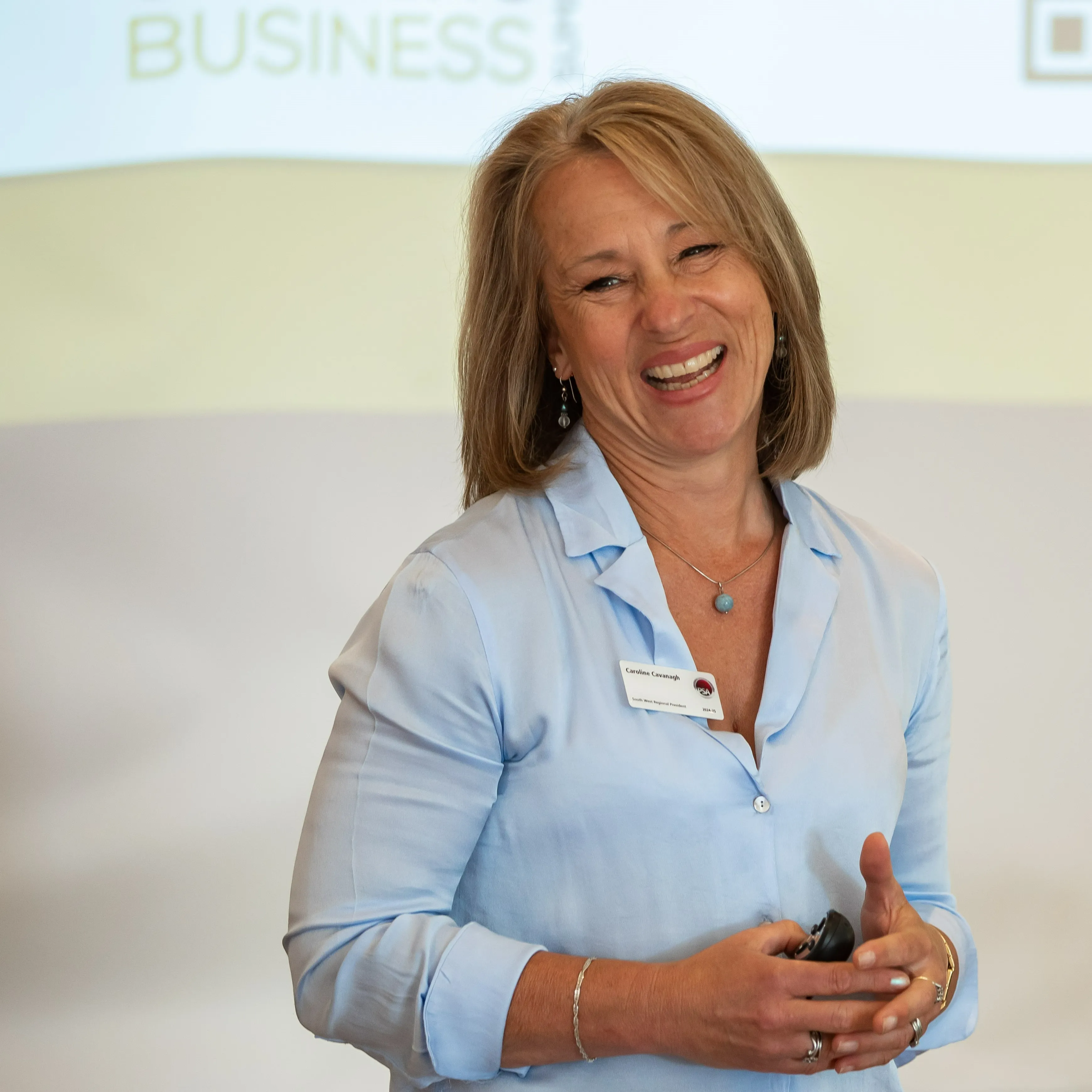
Caroline Cavanagh, Anxiety Specialist at Salisbury-based Caroline Cavanagh Ltd, said the ban was a good start.
She added: I am absolutely behind this. Social media encourages comparison often resulting in the erosion of self esteem. It often lacks the wider context leading to cognitive bias which will commonly lead to illogical or irrational interpretation.
"Teenagers' minds are developing rapidly and most have not developed the self esteem or mental resilience to stop content affecting them. The evidence of this being the rapid escalation in teenage mental health statistics, especially since the front facing camera was brought to market. Blocking under 16s from social media is not the full answer, but is a good start."
Kate Underwood, Founder at Southampton-based Kate Underwood HR and Training, agreed that it is needed.
She continued: "Ban under-16s from social media? About time. We’ve basically chucked kids into the dodgiest pub in town and acted shocked when it gets ugly. I’m pro-ban. Because I see the fallout: bullying that doesn’t stop at the school gates, pile-ons in group chats, strangers sliding into DMs, humiliation screenshotted and recycled for fun.
"Children shouldn’t be dealing with that. No wonder mental health is on its knees. And it’s not just 'a few bad apples'. The ONS estimates 847,000 children aged 10–15 experienced online bullying behaviours in a year. Ofcom says seven in 10 of 11 to 17-year-olds saw or heard harmful content online in the last four weeks.
“That’s a system problem. Do we have a neat UK number for ‘under-16 suicides caused by social media’? No, it’s not recorded that cleanly. But bullying and suicide-related internet use show up again and again when cases are reviewed. Would it work in the UK? Yes, if it’s real enforcement, not 'tick a box to say you’re 13' theatre.”
Colette Mason, Author & AI Consultant at London-based Clever Clogs AI, said social media is harmful for kids.
She added: "We've seen this movie before. Big tech is running the tobacco industry's playbook: deny harm, question evidence, delay regulation, lobby furiously, then claim any restrictions are ‘unworkable.’ Why are we still debating this when the evidence of systematic harm is overwhelming. If a pharmaceutical company released a product that caused addiction, anxiety, sleep disruption and measurable brain changes in children, it would be pulled within weeks.
"But because it's delivered through a screen instead of a pill bottle, we treat it like a parenting debate instead of a public health crisis. Banning something and enforcing a ban are different problems. VPNs, borrowed IDs, ‘parent supervised’ accounts.
“The workarounds will proliferate fast. I support intervention when corporate harm is systemic and clearly self-regulation fails. But let's be honest about what we're up against: companies that spent billions designing the addiction are now being asked to build the barriers to undermine the return on investment.”
Laura Purkess, Personal Finance Expert at Investing Insiders, said the reaction in Australia showed it could work in the UK.
She continued: "Banning children from social media can only do more good than harm. As a society, we are very quick to protect children in real life, but we are massively failing them when it comes to online safety.
"Surveys suggest between 90-100% of children as young as 10 are going online every day, with many accessing some form of social media, potentially putting them at risk of serious harm. Research by the government last year found that just over a third (35.0%) of children aged 10-15 accepted a friend request on social media from someone they didn't know, while a fifth chatted to a stranger online and one in 10 received a sexual message online.
“Where is the 'stranger danger' there? The ban appears to so far have been accepted with relief in Australia and there is no reason a similar ban could not be rolled out in the UK.”
Patricia McGirr, Founder at Burnley-based Repossession Rescue Network, said she worries that kids will find ways around the ban.
She added: "Banning under-16s from social media is an admission that self-regulation has failed and big tech knows it. These platforms were engineered to hook young brains, optimise for compulsion, and monetise attention, then act surprised when harm shows up in classrooms and bedrooms.
"Parents were handed blunt tools while tech firms perfected manipulation at scale. That is not a fair fight. Will a ban be watertight? No. Teenagers will find workarounds. But Australia’s millions of blocked accounts are not proof of failure, they are proof of how deeply children were embedded in systems never designed for their wellbeing.
“This is not about nannying parents. It is about drawing a line when corporate harm becomes systemic. If a product rewired young minds this aggressively in any other industry, it would already be off the shelves.”
While Rohit Parmar-Mistry, Founder at Burton-on-Trent-based Pattrn Data, said hackers could take advantage.
He continued: "We are sleepwalking into a data security nightmare. This proposal forces millions of Brits to link IDs to their online activity, creating a massive 'honeypot' for hackers. We’ve seen exactly how this ends. Hackers didn’t just steal data, they held users to ransom, threatening to expose them to employers and families unless they paid up.
"By enforcing this ban, we aren't protecting children; we are handing cybercriminals a list of targets on a silver platter. And for what? A digital wall that any 12-year-old with a free VPN can tunnel under in seconds. This is legislative theatre at its worst.
"It looks tough in a headline but falls apart in the real world. Instead of exposing the public to extortion, the government must force platforms to take responsibility for the toxic algorithms they built. Make them liable for the damage they do. Fix the broken machine, don't just hide it behind a fence that doesn't work."