Experts share what they expect and hope from Rachel Reeves' Spring Statement today
EXPERTS have shared what they expect and hope from Labour's Spring Statement today.
Chancellor Rachel Reeves will deliver her speech around midday and she has insisted it will be a quiet affair as she places more emphasis on the Autumn Budget each year.
Reeves has rebranded the "Spring Budget" as the Spring Statement and it's only expected to last 20 minutes. But its contents can influence the government over whether to raise or cut future taxes and spending.
The Autumn Budget in November was preceded by weeks of rumours and leaks about what it contained, which were tax rises.
Experts said they expect no major tax changes and expect Reeves will use it to reassure the markets.
They also urged Reeves to provide some stability for small businesses who are struggling with crippling costs.
Tony Redondo, Founder at Newquay-based Cosmos Currency Exchange, said: "Rachel Reeves delivers the Spring Statement amid Westminster instability and a fragile economy. Businesses crave stability and a reprieve from high operating costs. Their ‘wish list’ includes a roadmap to reduce employer National Insurance Contributions (NICs) and business rates, alongside private investment incentives and a flexible apprenticeship levy.
"Conversely, firms fear further taxes that erode margins, plus inaction on high energy costs and rising labour expenses driven by the higher National Living Wage. Whether this statement improves or torpedoes the economy depends on the narrative.
"Analysts expect a ‘slimline’ event with no major tax shifts, designed to reassure markets of the UK’s fiscal credibility. While £24billion in fiscal headroom offers some flexibility, the statement is likely a placeholder for the Autumn Budget rather than a growth engine, aiming to avoid the volatility that could sink the UK's delicate growth forecast."
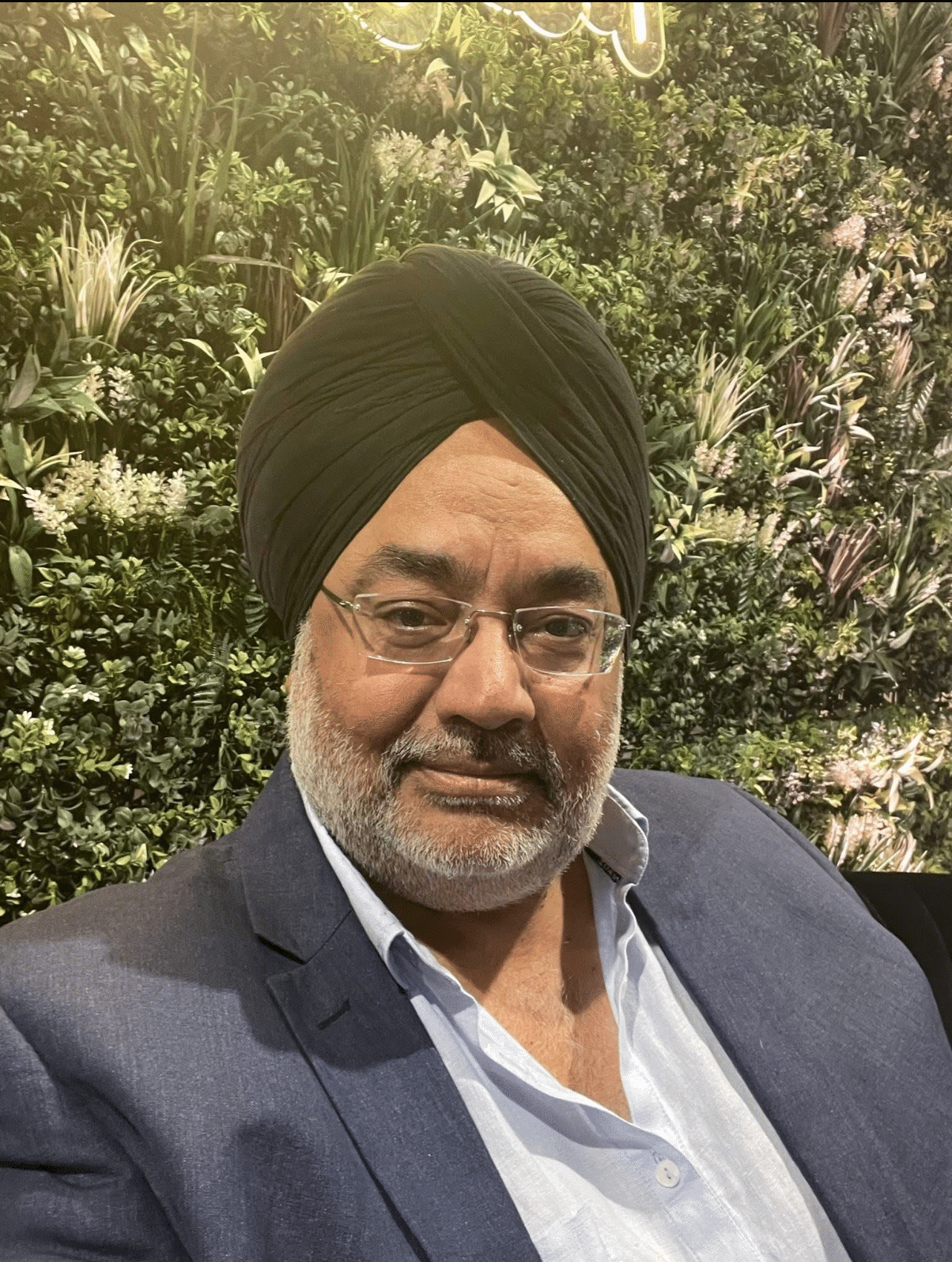
Bob Singh, Founder at Uxbridge-based Chess Mortgages, urged Reeves to adjust the Stamp Duty exemption for first-time buyers to £500k.
He added: “With Labour languishing in the polls Rachel Reeves has an opportunity to win back some favour by possibly announcing a few key measures in her Spring Statement.
"With inflation set to fall to around 2% and the property market showing great resilience she could do worse than to adjust the Stamp Duty exemption for first-time buyers to £500k. This would help those buying in the South.
"The return of Help to Buy would also help the new build sector and improve Labour's chances of hitting their target of 1.5m new homes in this parliamentary term. In the absence of anything of substance it may be a boring budget.”
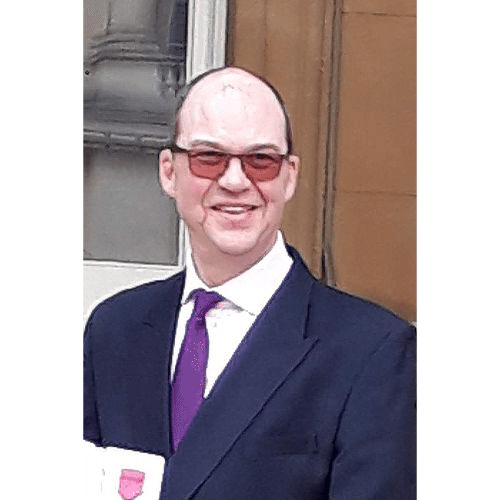
Colin Crooks MBE, CEO at Intentionality, said employers needed concessions.
He added: "This Spring Statement must take bold steps to help the people and places being left behind. If the Chancellor is serious about getting people back to work, restore the £5,000 employer NI threshold, invest in occupational health to cut those waiting lists, and expand Help to Grow to enhance the leadership skills of our small businesses.
"Expand the Youth Guarantee to under-25s and cut the qualifying period to six months: we must stop wasting a generation's talent. But add in real support for employers to train young people, and create a skilled, loyal talent that drives their growth.
“Reform business rates to give our high streets a fighting chance, and couple that with fast, practical incentives for green energy adoption: high energy costs are killing businesses, and tackling the landlord-tenant split incentive is one of the quickest routes to bringing bills down for countless small businesses. Any gardener will tell you, growth doesn't happen by accident, it needs the right conditions.”
Michelle Lawson, Director at Fareham-based Lawson Financial, said she isn't expecting anything for small businesses in the Statement.
She added: “Labour is turning into a contraceptive for business. Viable businesses are struggling, growth is stalling, unemployment is rising. They keep saying they will learn and listen but the statistics and activity show otherwise.
"Reeves either needs to listen or resign before we are consigned to the waste pile. She has ignored advice over the years and still railroaded her disaster economics borne from poor decisions so I doubt anything will make any difference and she will continue on her path of business destruction.”
Samuel Mather-Holgate, Managing Director & IFA at Swindon-based Mather and Murray Financial, urged Reeves to not tinker further with tax.
He added: “Silence is golden when it come to the Spring Statement. It's time to get back to sensible governance, and not a need to tinker with tax consistently, which only creates uncertainty. The sensible thing to do now is not the glamorous one, and leave business to create jobs and growth.”
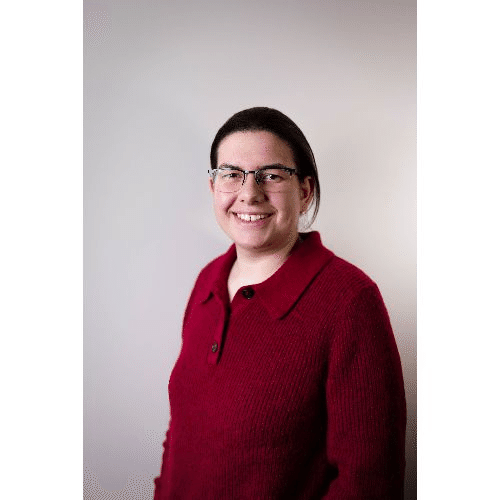
Nouran Moustafa, Practice Principal & IFA at Roxton Wealth, said unpredictability is dangerous for businesses.
She added: "If we’re honest, what many businesses fear is another round of quiet tax tightening dressed up as ‘fiscal responsibility’ whether that’s further pressure on capital gains, dividend tax, pension allowances, or subtle changes to business reliefs that make long term planning harder.
"The real concern isn’t just higher taxes, it’s unpredictability. Businesses can price in tax, they can adapt to regulation but they struggle with constant shifting goalposts.
"If the Spring Statement leans too heavily on revenue raising without matching it with meaningful incentives for growth, investment and hiring, it risks dampening confidence at a time when sentiment is already fragile. Stability, clarity and pro enterprise signals would go much further than short term fiscal patchwork."