Experts warn against a lesser known £1,000 tax that means you could be hit with a bill or a penalty
FINANCIAL experts have warned against a lesser known tax that means you could be hit with a bill or a penalty.
Many influencers may not realise that free products sent by brands for reviews or promotions count as income and must be included when calculating whether they've exceeded the £1,000 tax-free threshold.
You check if you are eligible for the tax here.
That makeup palette, tech gadget, or designer handbag isn't really "free", it's taxable income.
For example, if a creator earned £700 from sponsored posts, received £300 worth of free products, and made £200 from ad revenue, their total income is £1,200 – pushing them over the threshold and requiring Self Assessment registration by 5 October.
HMRC can impose penalties on creators who fail to declare this income, plus interest charges on late payments, potentially affecting thousands of creators who are unaware of these rules.
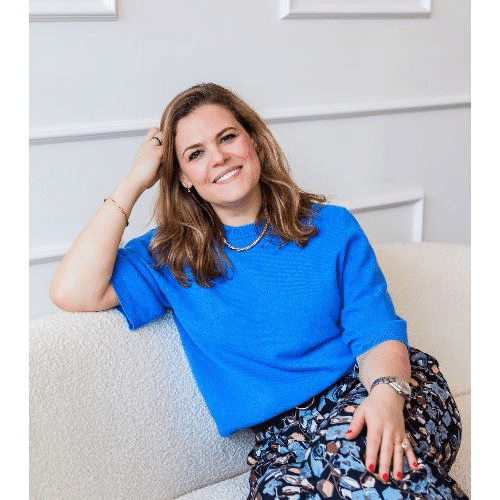
Philly Ponniah, Chartered Wealth Manager and Financial Coach at Philly Financial, said influencers could unwittingly be hit by penalties.
She added: "This could fundamentally alter influencer culture. Creators might decline gifted products to stay under the £1,000 threshold, demand cash payments instead of products, start returning items after filming content and abandon smaller brand partnerships entirely.
"HMRC can impose penalties on creators who fail to declare this income, plus interest charges on late payments, potentially affecting thousands of creators who fail to declare it. HMRC is going after the wrong money here, chasing £1,000 earners while larger tax issues go unaddressed seems like a misallocation of resources.
"This will fundamentally reshape brand-creator relationships. Expect some influencers to demand cash instead of products, or negotiate higher fees to offset their tax liability. Brands that have relied on product-seeding strategies will need to rethink their influencer marketing approach. The 'unboxing' culture that's dominated social media for years may become financially unviable for smaller creators."
Lauren Wright, Spokesperson at Ridgefield Consulting, advised influencers to “treat their activities like any other business”.
She continued: "Many influencers are realising that so-called ‘freebies’ from brands aren’t really free. When a product or service is provided in exchange for promotion, HMRC regards it as payment-in-kind — taxable income that must be included when calculating whether a creator exceeds the £1,000 trading allowance.
"This isn’t a change in legislation, but a renewed focus on compliance. We have long advised content creators that the value of gifted items should be declared at their fair market rate. In practice, determining that value can be complex, particularly for items that cannot easily be resold, have fluctuating retail prices, or are gifted before their official launch.
“Good record-keeping and professional advice are key to avoiding future disputes. As the creator economy matures, it’s vital for influencers to treat their activities like any other business.”
Kate Allen, Owner at Kingsbridge-based Finest Stays, said her business will be affected by the stringent rules.
She added: "It’s a terrible move for content creators, and equally damaging for brands, especially in the luxury sector, where partnerships, promotion and prestige go hand in hand. This change risks stifling authentic collaborations and creativity, replacing genuine storytelling with red tape.
“As a luxury holiday lettings brand, we often collaborate with influencers through hosted stays; an essential part of our PR and marketing strategy. Some of these experiences can be worth up to £10,000, so if influencers are now required to declare the full value as income, it will massively reduce our ability to secure partnerships.”
Colette Mason, Founder & AI Systems Architect at London-based Clever Clogs AI, said it could lead to AI influencers.
She continued: "HMRC's ruling doesn't just create tax complexity, it accidentally builds the business case for AI influencers. When small creators demand higher rates to offset the tax burden and compliance costs they overlooked, brands face a stark calculation: pay a 20% 'human premium' tax, or deploy a scalable AI influencer for £10 a month with zero regulatory overhead.
"One of the few routes for entrepreneurial young people to take steps towards financial independence just got an expensive bill attached."
Scott Gallacher, Director at Leicester-based Rowley Turton, said many don't know the rules.
He added: "This isn’t really a new point from HMRC — more of a clarification of rules that have been in place for years. Unfortunately, many so-called influencers may have been unaware of this, although you’d hope they had a good accountant to keep them on track.
"It also doesn’t seem unreasonable that they should have to abide by the same rules as the rest of us; after all, the wider workforce can’t receive significant gifts from their employer or customers without there being a tax liability. It’s not about cracking down on the creator economy — just making sure we all pay our fair share."
Samuel Mather-Holgate, Independent Financial Adviser at Swindon-based Mather and Murray Financial, said being an influencer is still an attractive proposition despite the tax.
He continued: “Influencer income is a growing trend, and we are seeing that this type of complex income come with many unforeseen hurdles. A good brand manager should take care of all of this for you, and be able to advise the best way to keep your tax bill down.
"However, just paying the tax on these freebies still makes them an attractive proposition for most – so long as you are getting what you want.”
Tony Redondo, Founder at Newquay-based Cosmos Currency Exchange, said influencers may be forced to refuse gifts in future.
He added: “With the public finances in such a dire strait, HMRC is getting creative in its hunt for taxpayer income and is investigating social media influencers and businesses providing gifts for brand promotion. Gifts tied to expected work are taxable income.
"The Self-Assessment registration deadline for 2024-25 passed on 5 October. Many influencers may be unaware they've exceeded the threshold when combining cash earnings with gifted products, creating genuine cashflow problems. If you've exceeded £1,000 (including gifts) and haven't registered, contact HMRC immediately.
"Late registration penalties are typically waived if you pay tax on time by 31 January. Going forward, creators may need to decline gifts, request cash payments, or be more strategic about what they accept. Professional accounting advice is essential for anyone earning income through content creation.”