GDP grows by just 0.1%: small businesses say clients "feel more cautious"
By Douglas Patient ·
Small businesses say clients "feel more cautious" and the economy “feels hesitant” as GDP grew by just 0.1% in August.
Monthly GDP grew by 0.1% in August 2026 ahead of the Budget later this month, following a growth of 0.4% in July 2026 and a growth of 0.4% in June 2026, ONS data shows.
The growth in August was driven by a 0.8% growth in production, with services showing no growth, and construction falling by 0.2% in August 2026.
Small business owners told Newspage that the headline figure masked a wider reluctance among households to spend, borrow or commit to major financial decisions.
Consumers are still buying homes and making plans, but many are delaying purchases, reducing budgets or preserving more financial headroom.
They said higher borrowing costs, pressure on disposable incomes and uncertainty over tax and the forthcoming Budget were making planning more difficult.
Business activity may have improved in some areas, but owners said much of the demand was being driven by existing financial pressures rather than confident spending or investment.
Why does the economy feel worse?
Nouran Moustafa, Practice Principal & IFA at Roxton Wealth, said: "My own business is busier than three months ago, but the conversations I am having with clients feel more cautious. People are still buying homes, investing and making plans, but they are thinking much harder before committing.
"Mortgage costs, tax, job security and simply how expensive everyday life has become are coming up constantly. What I am seeing is not people completely shutting their wallets. It is more selective spending. Bigger financial decisions are being scrutinised far more carefully, while some households are using more borrowing simply to maintain the same lifestyle.
“That is why GDP figures can sometimes feel disconnected from everyday life. An economy can technically be growing while individual households still feel financially worse off. Over the next six months, the biggest help would be certainty. Businesses and households can plan around good news or bad news. Constant uncertainty is much harder to plan around.”
Stephen Perkins, Mortgage Broker and Managing Director at Norwich-based Yellow Brick Mortgages, said household budgets have been hit hard.
He added: "The economy does not feel frozen, but it does feel hesitant. We are still seeing plenty of people who want to move, remortgage or buy their first home, but they are thinking much harder about monthly payments and how much financial headroom they want to keep.
"The biggest concern is not usually the headline economy; it is what higher borrowing costs mean for their own household budget. That is why official GDP figures can sometimes feel disconnected from what consumers are actually doing. People have not stopped making plans, but many are delaying decisions or scaling them back until they feel more confident about rates and disposable income.
“The biggest improvement over the next six months would be greater stability in borrowing costs, because certainty often matters almost as much as the absolute level of rates when households are deciding whether to commit.”
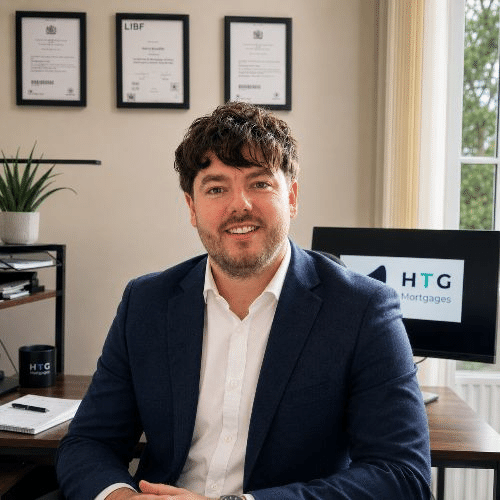
Harry Goodliffe, Director at Winchester-based HTG Mortgages, said nobody is spending or borrowing more.
He added: "Busier than three months ago, and that’s the worrying bit. Hardly any of it is people buying. People whose fixed rate ends before Christmas are ringing to ask what the new monthly will be, so the diary is busy, but the purchase side has gone quiet.
"Nobody’s spending and nobody’s borrowing more. They’re holding on to what they’ve got and waiting for the Budget to tell them what else is going up. The official numbers say the economy is flat.
“It feels worse, because the one thing people want from Government, some certainty on rates and tax, is the one thing it won’t give them.”
What are businesses waiting for?
Tony Redondo, Founder at Newquay-based Cosmos Currency Exchange, said sentiment in the economy is nervous.
He added: "Above all, businesses fear regulatory burdens, the tax and cost of doing business, and forthcoming fiscal announcements, making medium-term capital planning difficult. Clients are holding back, delaying non-essential investment and international expansion until the direction clarifies.
“Headline growth may suggest modest resilience, but ground-level sentiment feels far nervier. Indicators lag reality. The government must match its actions to its words. At present there is a complete disconnect and, frankly, this government looks light on economic and financial expertise.”
ENDS
Copy story