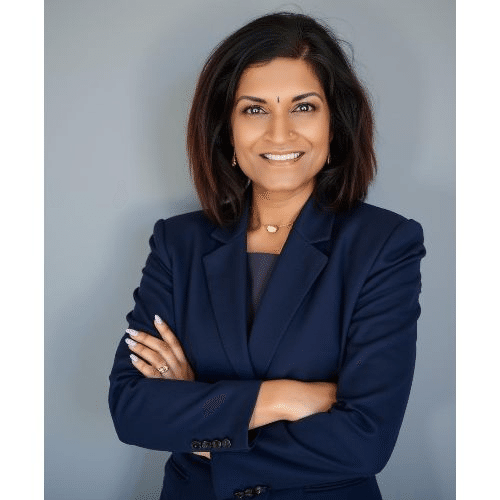
Channel 4's Dispatches AI Presenter Stunt: Economics Favour Replacement "Weekly" as Tech Gets "More Convincing Daily"
Channel 4's Dispatches aired Will AI Take My Job? with presenter Aisha Gaban reporting from multiple locations before revealing she was entirely AI-generated, making it the first British programme to use an AI presenter, though China (2018), and in 2023, Kuwait, Greece, South Korea, India, Indonesia, Malaysia and Taiwan have already deployed similar technology.
The rendering of the presenter was broadly convincing at first glance, although some viewers spotted telltale signs during broadcast, including mouth blurring on large screens, with social media posts identifying the AI before the reveal.
The documentary investigated AI automation across medicine, law, fashion and music, testing whether machines could outperform trained humans.
In closing moments, Gaban states: "AI is going to touch everybody's lives in the next few years. And for some, it will take their jobs. Call centre workers? Customer service agents? Maybe even TV presenters like me. Because I'm not real," before vanishing from screen.
Nick Parnes, Kalel CEO, admitted: "It gets even more economical to go with an AI presenter over human, weekly. And as the generative AI tech keeps bettering itself, the presenter gets more and more convincing, daily. That's good for our film, but maybe not so good for people's careers."
Louisa Compton, Channel 4's Head of News and Current Affairs, said: "The use of an AI presenter is not something we will be making a habit of, instead our focus is on premium, fact checked, duly impartial and trusted journalism, something AI is not capable of doing. But this stunt serves as a useful reminder of how easy it is to hoodwink audiences with content they have no way of verifying."
The broadcast coincides with industry backlash over AI-generated performers like Tilly Norwood, an AI actress created by a British company, and wider concerns about the effect on white-collar jobs globally.
- If AI presenters aren't new globally (China since 2018), why is Channel 4 framing this as groundbreaking rather than acknowledging they're following international practice?
- When the producer admits economics favour AI "weekly" and many viewers couldn't definitively tell, should we believe broadcasters won't make this choice when budgets tighten?
- Does revealing the AI at the end absolve deceiving viewers throughout, or does it prove audiences can't verify what they're watching?
- Should there be regulatory requirements for real-time disclosure when AI presents broadcast content, rather than waiting until the end credits?
- With AI like Tilly Norwood already causing industry backlash, at what point does testing audience reaction become normalising job replacement?