Copy article

One pub a day shut in 2025. Is hospitality being taxed into extinction?

ended 05. January 2026

The Guardian reports that 366 pubs closed permanently across England and Wales in 2025, basically one a day. That’s not “a few struggling venues”, that’s whole communities losing their local. 

The analysis (from tax specialist Ryan, quoted in the piece) shows the number of pubs liable for business rates fell from 38,989 to 38,623 across the year. Many have been demolished or converted into housing or other uses, so they are not coming back. 

And yes, the usual suspects are in the frame: higher wage costs and employer National Insurance, plus the looming 2026 business rates revaluation which could push property tax bills up for a lot of venues. 

Question for small businesses: If your costs go up again this year, what gives way first, hours, headcount, opening days, or the whole business?

Comment questions

  1. What is the biggest killer for you right now: wages, rates, energy, or footfall?
  2. Are you already cutting hours or opening days just to stay afloat?
  3. Have you put prices up, and did customers accept it or kick off?
  4. What would actually help hospitality, not sound nice on a press release? Rates relief? VAT cut? NIC support? Energy help?
  5. Do you feel the government understands how thin the margins are in the real world?
  6. If your local pub shut tomorrow, what would your town lose apart from somewhere to drink?

Sources

The Guardian, 31 Dec 2025: One pub a day closed permanently in England and Wales in 2025 

The Morning Advertiser, 2 Jan 2026: One pub a day closed in 2025 as business rates pressures mount 

Evening Standard, 31 Dec 2025: London pub closures and pressure from rates, NI and wages 

5 responses from the Newspage community

Copy all

Star Quote
Copy

I did about 15 years in hospitality, so “one pub a day closed in 2025” doesn’t land like a headline. It lands like the owner doing the books at midnight, the chef covering yet another shift, and a town losing its living room. Hospitality was always tough. Now it’s tough plus bigger wage bills, higher employer NI, higher energy, and customers still expecting five star service on a pocket money budget.
Hospitality isn’t dying because owners can’t run a business. It’s being bled out by bills while everyone stands around asking why the lights are going out.
Two survival moves I keep seeing work: get ruthless on menu engineering (ditch the low margin heartbreakers, push the profit makers), and get forensic with rotas (staff to real hourly trade, stop overtime creep becoming your silent leak).
Copy

Pubs in Cornwall are community centres, but the county has been hit hard by a hospitality crisis. A £5 pint already includes £2.03 tax, leaving just 13p profit. Local publicans are "terrified" after their rateable value doubles in April, while others say customers can't absorb "another 20p on a pint, couple of quid on fish and chips". It's not just pubs. Flambards theme park (nearly 50 years old), Dairyland Farm, and other Cornwall icons closed in 2024, citing rising costs. Visit Cornwall's Malcolm Bell called 2024 the "flattest year" for tourism he could remember. Falmouth BID manager sums it up, "For very small businesses, this isn't absorbable — it's existential". Cornwall's tourism-dependent, geographically remote businesses face compounding wage, rates, and energy pressures with no margin left.
Copy

These buildings have been converted to housing, demolished, or turned into coffee shops, and they are never coming back. The timing is perfect for highlighting the government's economic illiteracy, as Chancellor Reeves prepares her next round of business punishment while pretending to support hospitality.

Business rates revaluations will push the average pub's property tax bill up by 30%, adding £365 million to the sector's total burden msn. Add employer national insurance rises, minimum wage increases, and the end of the 40% hospitality discount, and you have a perfect storm designed to close pubs faster than Rachel Reeves' media bumblings. This government is hell bent on cultural vandalism and it will hurt the very people it purports to support - the working people.
Copy

Chris Sanderson
CEO at Limber
Pubs and restaurants have been steadily cutting staff hours since the Pandemic. The average shift hours posted on limber have fallen from 112 per business per month in 2022 to 79 in 2025. A combination of increased costs and falling consumer confidence mean that businesses are trying to do more with less and are quieter than they were before. Until the economy improves and people feel better off, this worrying trend will continue.
Copy

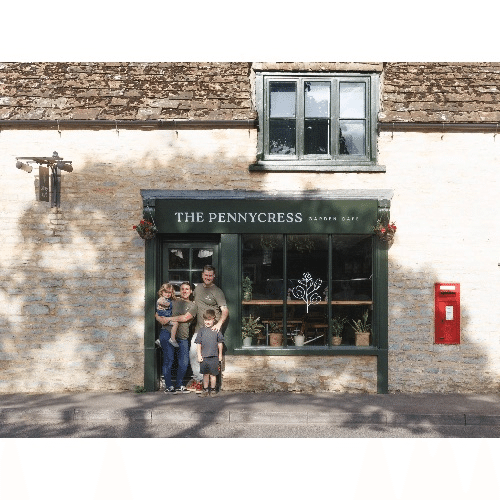
The biggest killers right now are wages and rates. We’re personally plugging gaps and delaying hiring just to pay well (Real Living Wage) and keep going which affects our personal life too. We’ve had to raise prices, though customers understood, and we’ve absorbed some costs to keep popular items friction-free such as alternative milk which is sometimes double the cost of dairy milk. Real help would be sector-specific: rates relief alone isn’t enough for a young hospitality business — energy, VAT, NIC support all matter. The government doesn’t grasp how thin margins really are in hospitality. If The Pennycress closed tomorrow, South Cerney would lose more than a coffee shop: a space that nurtures community and connects people to the food grown on our land. Hospitality is hard, but it’s almost impossible to do it ‘good’ - I’d like to see more support for businesses like ours trying to do better for people and planet.