Copy article

Nationwide increases rates as SWAPs edge up

Journalist: Justin Moy, Contributing Editor

ended 12. February 2024

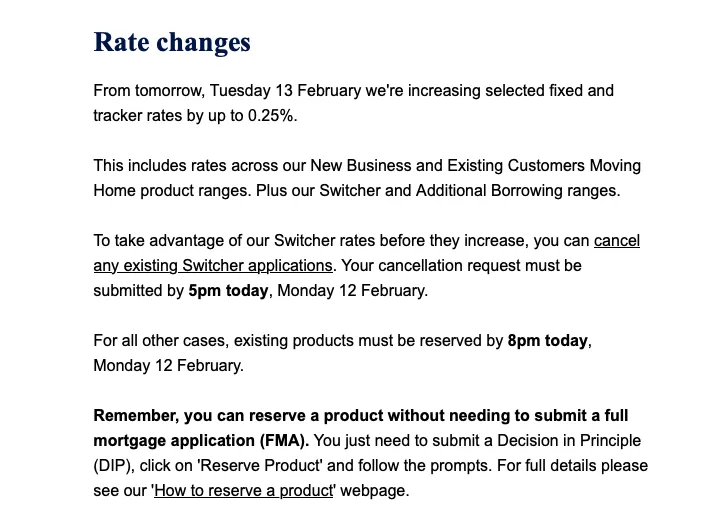
Nationwide has just announced increases to both tracker and fixed rates, by up to 0.25%, as  SWAP rates have increased over the last few weeks. Those borrowers affected include new and existing client deals, plus those looking to borrow more or switch rates. Newspage asked brokers for their reaction to this change, especially in light of Santander's reductions announced earlier on Monday.

8 responses from the Newspage community

Copy all

Star Quote
Copy

Another mixed day for mortgage rates, with Nationwide increasing its rates just when Santander is cutting theirs. Swap rates have been steadily increasing over the past few weeks, so increases are not unexpected at the moment but just emphasise where a mortgage broker can be worth their weight in gold for any borrower. Lenders will inevitably be dancing around the rates over the coming weeks, balancing cost, service levels and appetite for certain types of business. An interesting few weeks coming up for borrowers and brokers alike.
Star Quote
Copy

This goes to show how topsy turvy the mortgage market is. One major lender, Santander, makes reductions while another increases rates. This reflects the precarious position everyone is facing and with Nationwide increasing today will add more stress to some people who were seeing some possible light at the end of the tunnel. I think this does demonstrate that if your mortgage is coming to an end you need to be prepared to act quickly as no one can be certain as to what is going to happen to lenders' rates at the moment.
Star Quote
Copy

Normal service has been resumed as the fragile and unpredictable interest rates start to trend upwards rather than down. As quickly as rates start rising, they can equally start reducing. Borrowers should remain calm in the current climate as some key data points are upcoming and positive data could stop the current slump. Rates are still predicted to fall over 2024 so there is noneed to hit the panic button just yet.
Star Quote
Copy

As SWAP rates rise, Nationwide's decision to increase tracker and fixed rates by up to 0.25% spells trouble for borrowers. New homeowners face higher borrowing costs, while existing clients shoulder increased mortgage repayments. Those seeking to borrow more or switch rates encounter added challenges. This trend paints a bleak picture of affordability and accessibility in the housing market, dampening consumer confidence and hindering growth.
Copy

I don't think this comes as much of a surprise but it does give an element of confusion to the general public on a day that Santander have announced reductions. I am guessing that Nationwide are expecting a Bank Base rate decrease due to the increase in their tracker margins although they have been low and competitive for a long time now.
Copy

Charles Breen
Founder at C B
Is this demonstrating the cost of waiting for many,and why now might be the best time to buy or remortgage before the Bank of England scuppers any housing market growth. How are borrowers and home buyers possibly able to navigate the shifting sands at the moment when there is still so much turmoil in the market?
Copy

Nationwide announcing a rate hike on the day Santander annouced a rate reduction shows the conundrum lenders are facing with rising swap rates and competition for business. In an unstable market it would be prudent for borrowers to have all there paperwork in order so they can secure the best deal whilst they are available.
Copy

It's head-wobbling that some UK High Street lenders are decreasing their fixed mortgage rates and others are increasing. This time Nationwide Building Society are going in the wrong direction, upwards, while some of its competitors, such as Santander, have brought their rates down today. No wonder consumers are seeking the assistance of brokers for their mortgage arrangements: confusion is an understatement. It's clear that this is all an outcome of the Swap rate system which hedges the market on likely short and longer-term interest rates but explaining this difference in opinion between major lenders to mortgage applicants is a tricky business.