Copy article

Nationwide hiking mortgage rates amid Middle East war

ended 05. March 2026

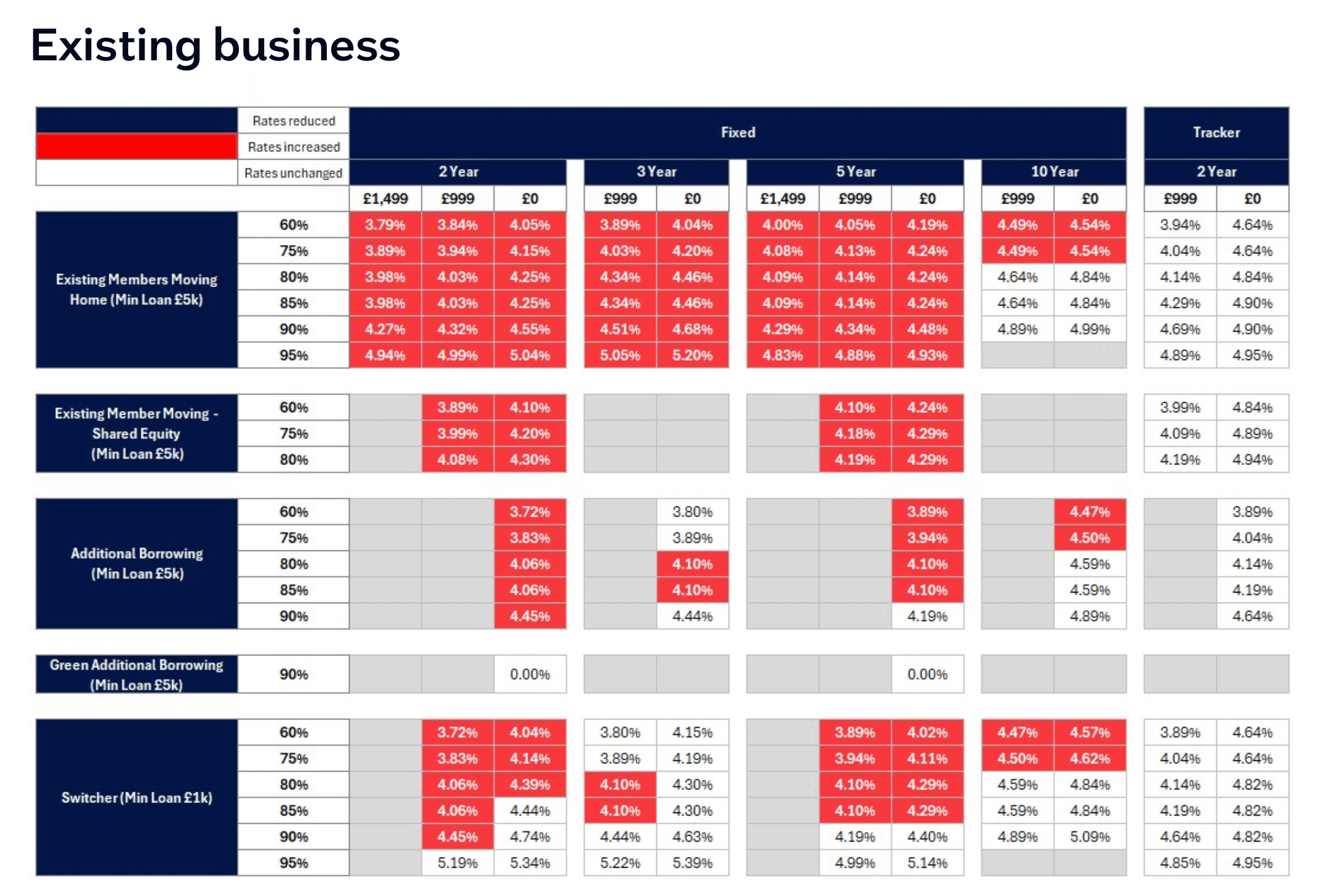
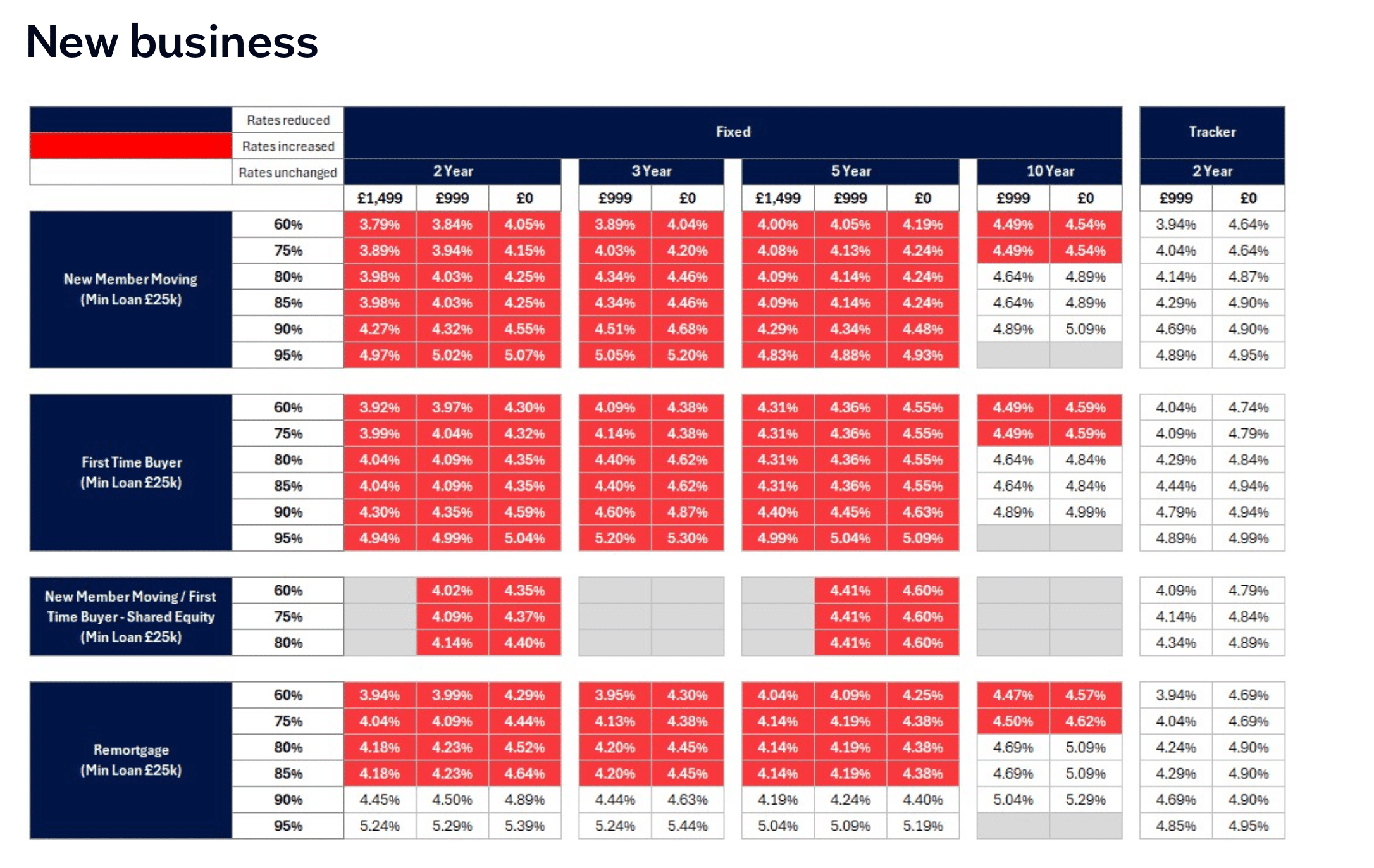
From tomorrow, Friday 6 March, Nationwide is increasing selected fixed rates by up to 0.25%. Full details below.

This includes rates across its First Time Buyer, Home Mover, Existing Customers Moving Home and Remortgage products. Plus, its Switcher and Additional Borrowing ranges.

  • Are we in the midst of a flurry of rate increases?
  • Why are they going up? The Middle East war and swap rates going up?
  • What are your predictions for the weeks and months ahead?

Responses asap, this is breaking.
8 responses from the Newspage community

Copy all

Star Quote
Copy

Seeing three big lenders increase rates in a day is not the news borrowers want to see. Markets are pricing in the fact that the conflict in the Middle East could prove inflationary, which could mean the Bank of England rate cuts many were expecting will not materialise for the time being. Once again, this rapid repricing highlights how fast the mortgage market can move and why there are no guarantees rates will only go in one direction.
Star Quote
Copy

Though not welcome, these cuts from Nationwide shouldn't come as a surprise to anyone. Markets react very quickly and Nationwide, HSBC and Coventry are likely the first of a deluge of lenders who will increase rates over the next few days. Due to the conflict in the Middle East, oil prices will rise, gas prices will rise and that will push inflation back up, meaning the Bank of England will hold the base rate as it is. Reflecting the nerves in the market, UK swap rates sit at a 30-day high. This is how a war thousands of miles away affects your monthly mortgage payments and your pocket. Under Keir Starmer and Rachel Reeves, businesses are being taxed harder, growth is stalling and confidence in the UK economy is fragile, so when something like the war with Iran happens, UK homeowners get caught in the crossfire.
Star Quote
Copy

Nationwide has today followed HSBC and Coventry in announcing rate cuts, and increases of up to 0.25% are not significant. Other lenders are likely to now follow suit, as markets price in the prospect of higher inflation due to events in the Middle East. Just as the property and mortgage market was gaining momentum, the outlook has now changes dramatically.
Copy

It's now crystal clear that the events of the past week have spooked the markets, which has created a lot of volatility and driven increases in swap rates, which are used to price fixed rate mortgages. Irrespective of the rise in swap rate, it's the volatility that pushes lenders to increase their rates so they can absorb that volatility. We are seeing lots of lenders increase and expect more to come until the dust settles, although there is little clarity on that front.
Copy

Expected increases given that one or two high street lenders have already been forced to change rates in the wake of the Middle East war. Others will inevitably follow over the next few days, as lenders are unlikely to want to be 'the cheapest' in this kind of environment. Shopping around is essential, and using a Mortgage Broker is vital to finding the right deal and what you qualify for, too. Nationwide does allow for product reservations in advance of any full application, which is a great opportunity. Your rate is not secured until you have provided all documents and completed a full application, so be document-ready and able to respond to your broker quickly.
Copy

Thursday has brought bad news for borrowers, with three major lenders now hiking rates. Events in the Middle East are creating a lot of uncertainty and creating genuine concerns about inflation. The Bank of England's confident forecasts about the direction of inflation have not aged well at all.
Copy

Nationwide’s rate hikes should be viewed as a clear signal of impending across-the-board increases from other lenders. It remains uncertain whether this is a deeper setback or a minor wobble caused by market volatility. At present, this appears to be cautious repricing in the face of the unknown rather than a definitive statement on future direction, though the situation in Iran has undoubtedly heightened uncertainty. That said, rates remain at recent lows; there is currently no evidence of panic or a sustained upward trend in mortgage rates.
Copy

Nationwide's rate rises tomorrow are part of a wider pattern we've been watching for a few weeks now. Several lenders have nudged rates upward, and Nationwide is the latest to follow. Swap rates are the driver here. Markets have repriced expectations around when the Bank of England will cut, and that feeds directly into fixed rate pricing. Geopolitical uncertainty, including the Middle East situation, adds volatility to the broader picture, but swap rate movement is the more immediate mechanism lenders are responding to. Are we in a flurry of rises? It feels that way, but I'd caution against panic. Rates remain materially lower than the peaks of 2023. What we're seeing is a correction from the competitive pricing war lenders were running through late 2024 and into early 2025. Expect more of the same until swap rates stabilise. If inflation data comes in soft and the Bank signals cuts are back on the table, we could see rates ease again by Q2.