“The whole concept of retirement is starting to slowly die off”
Early retirement is increasingly becoming a fantasy, financial experts have said, with one adding "the whole concept of retirement is starting to slowly die off”. Whether a result of financial necessity, lifestyle choices or for mental health and wellbeing reasons, the very idea of retirement is being reassessed.
Especially vulnerable, experts say, is the sandwich generation, who are juggling their own retirement plans with supporting children and elderly parents, at the same time as dealing with higher mortgage costs and stubborn inflation — a demographic one adviser calls the “the most financially stretched generation in decades”.
Add in the “pension IHT raid” from April 2027, which doesn’t directly affect today’s retirees, but could reduce what their children inherit, and the picture gets bleaker still for those planning to retire early in the years ahead.
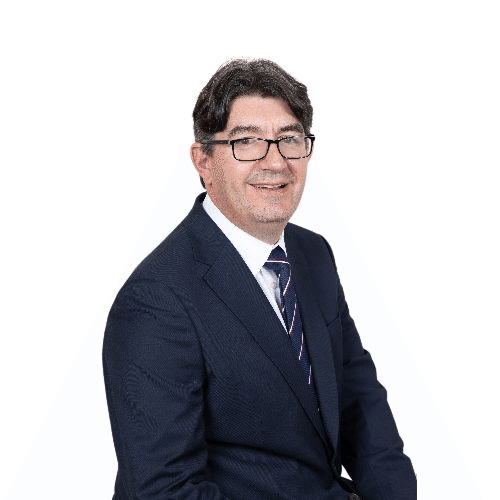
Scott Gallacher, Director at Leicester-based Rowley Turton, warned: “Early retirement isn’t dead, but for the squeezed middle it’s now more fantasy than plan. Years of stealth tax rises, soaring house prices and the end of cheap mortgages mean they’re under more pressure than ever.
"At the same time, parents are living longer, so inheritances arrive later — if at all — while adult children need more help thanks to frozen student loan thresholds and eye-watering house prices.
"Add higher mortgage costs and the 2027 “pension IHT raid” eating into what they might one day inherit, and you’ve got the most financially stretched generation in decades.
"Early retirement is still achievable but it's about being realistic, keeping your spending in check and squirrelling your money away in pensions and ISAs, etc. Otherwise, the only way to retire early now is for both partners to work full-time perhaps until their late 60s, something their parents rarely had to do."
Graham Wells, Founder at Haddington-based GroWiser Financial Coaching, said there is an ongoing recalibration in the way people approach retirement: "The whole concept of retirement is starting to slowly die off. People are exploring more creative ways to manage their life and money.
"I frequently speak with clients who do not like the word "retirement" at all. People in their 40s and 50s are conscious of needing to maintain a sense of purpose in later life so, rather than aiming for retirement, they're looking at working less for longer or starting up lifestyle businesses.
"I'm also seeing more interest in the concept of financial independence, which is perfectly achievable for those who begin early enough and manage their money well.
"It's true that the "sandwich generation" is experiencing a squeeze on their money, but with creative thinking and careful financial planning, a good lifestyle can still be achieved for later life."
Daniel Wiltshire, an independent financial adviser at Bradford-on-Avon-based Wiltshire Wealth, said: “There's a huge generational divide. Those over the age of 50 have typically already paid off a good chunk of their mortgage and have benefitted from low interest rates. Some are enrolled in generous final salary schemes and can reasonably expect to receive the State Pension from age 67.
"In contrast, under 50s are struggling: tax is at a post-war high, childcare costs are ruinous, property prices are eye-watering and there's the worrying prospect of state support being scaled back in future; the early retirement dream for the under-50s seems more distant than ever.”
Samuel Mather-Holgate, Independent Financial Adviser at Swindon-based Mather and Murray Financial, commented: “It’s becoming increasingly hard to build a suitable retirement fund to provide enough money to retire before the state pension age. As that age increases, a higher cost of living means it’s more difficult to make savings and also you need more when you do hang up your boots. Further restrictions on what you can save and how you are taxed increases the difficulty from hard to boss level.”
Tony Redondo, Founder at Newquay-based Cosmos Currency Exchange commented: “The early retirement option is on life support in the UK, especially for the sandwich generation caught between supporting adult children, caring for elderly parents, and funding their own futures. Economic pressures like frozen tax thresholds, soaring mortgage rates, persistent inflation and policy shifts such as the inclusion of pensions in inheritance tax are reshaping retirement timelines.
"Even those that do retire early, one in four do so because of ill health, often with reduced benefits. The average retirement age is now 65 for men and 64 for women, up from lower figures a decade ago. Phasing your retirement or taking on consultancy work is becoming an increasingly popular alternative to supplement income, preserve mental health and avoid full tax hits on withdrawals.”
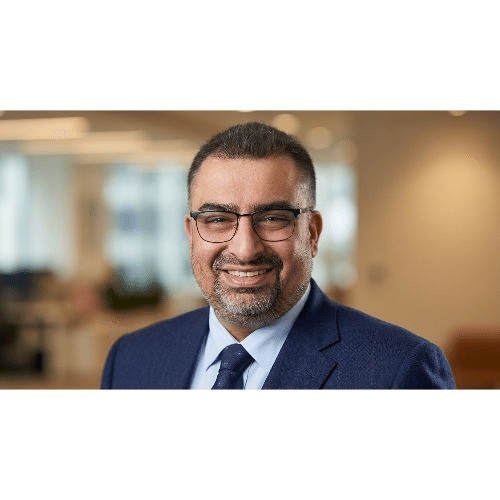
Meanwhile, Kundan Bhaduri, Entrepreneur at London-based The Kushman Group, says he has managed to buck the trend by being thoroughly unglamorous: “I retired at 42 without a trust fund, a tech exit or a flashy job title. I did it the boring way. I arrived as a first generation immigrant in Britain but with my spare cash savings I bought property, held it, managed it, and let compounding do the rest. That was my route to retirement freedom.
"While everyone else keeps chasing pension calculators, I focus on assets I can touch, improve and insure. Most people still think of retirement as a thing you start planning for at fifty. For me, it was a strategy launched at 28 as a new immigrant.
"Property is not glamorous. It involves boilers, late-night leaks and the odd rogue tenant. But it also means personal freedom, taking control of your life, capital security and complete independence from short term market volatility. Early retirement is not dead. It just lives in a well-insulated two-bed buy to let."