Neurodiversity: "For too many firms, it's an afterthought and not a focus"
When it comes to UK companies creating neurodivergent-friendly workplaces, “for too many firms, it's an afterthought and not a focus”, one expert in the field has said.
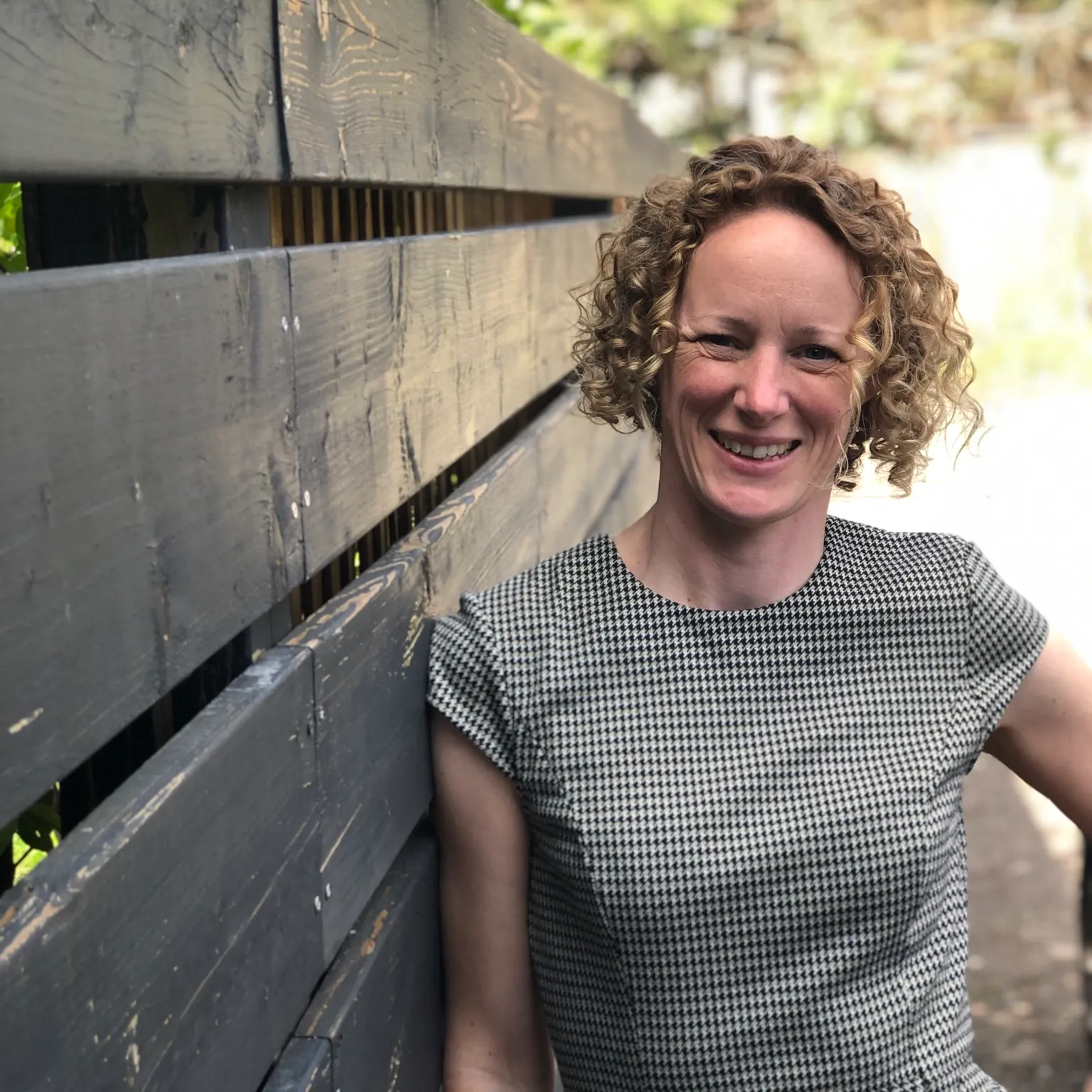
Jill Finch, founder at Croydon-based autistic-led social enterprise, A Collective, says: “There are many areas where neurodivergent strengths are seen as weaknesses at work, and where the average UK employer needs to improve and better understand us. For too many firms, it's an afterthought and not a focus.”
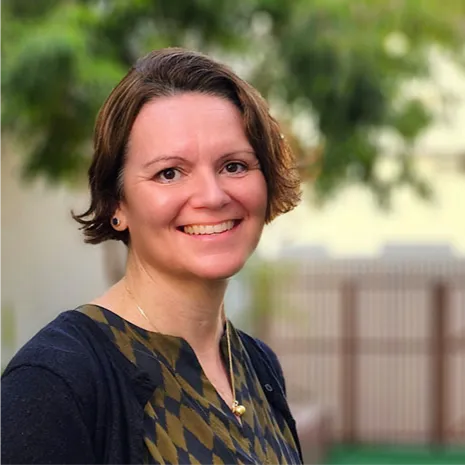
Meanwhile, Debbie Denyer, Neurodiversity Trainer at Debbie Denyer, said “discrimination remains a concern, with 3 in 10 neurodivergent employees not disclosing to their line manager or HR. Even if they did, less than half of managers feel equipped to support them, according to the CIPD Neurodiversity at Work report 2024.”
But Jasmine Miller, Director and Neurodiversity expert at Jasmine Miller Coaching, believes progress has been made: “UK companies have made progress in employing and harnessing neurodivergent employees' potential, with growing awareness of their unique strengths.”
The same view was shared by human behaviour specialist, Michelle Mills-Porter FPSA, of The People Reader: “A positive shift towards recognising the unique contributions of neurodivergent individuals is emerging. There are instances where neurodivergent individuals are sought for their specialised skills, such as problem-solving, detecting anomalies and generating creative ideas. Recognising that many initiators of change and growth have historically been neurodivergent highlights the value they bring, shifting the perception from viewing neurodivergence as an issue to seeing it as an asset.”
But Andrew Burnett, autistic, founder of DiffandNet, the network for neurodivergent leaders and businesses, was less convinced: “Neurodivergent people are discriminated against in employment - only 20% of autistic people in the UK are employed, and 50% of managers say they would not hire neurodivergent people. Some companies have actively sought to recruit neurodivergent people, but in many cases this reinforces unhealthy and unhelpful stereotypes of neurodivergence such as “they’re good at numbers” or “they’re natural problem solvers” or similar tropes. Companies who really want to be allies can, and should, do better than recruiting neurodivergent people into roles which neurotypical managers feel might be appropriate- they should also commit to transforming workplaces and practices to make work more inclusive for everyone.”
More views below.