"Get rid of stamp duty tomorrow, and the property market will be flying"
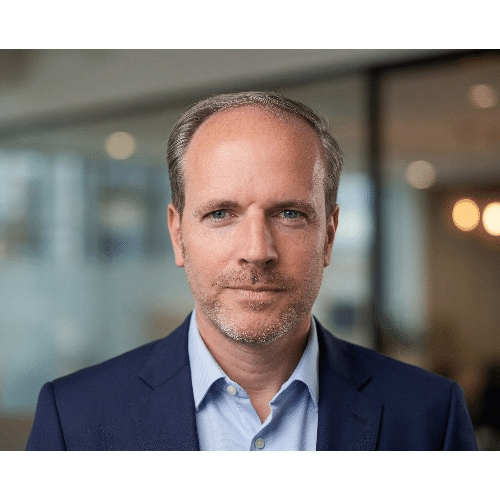
IN an interview on Sky News this morning, mortgage broker and wealth manager, Riz Malik, of Southend-on-Sea-based R3 Wealth, urged the Chancellor to scrap stamp duty, saying "get rid of stamp duty tomorrow, and the property market will be flying". Though experts said an abolition of the tax is unlikely, “as it’s too much of a money raiser for the Treasury”, they agreed reform would potentially ignite the market.
Harry Goodliffe, Director at HTG Mortgages, said: “Stamp duty is one of the biggest hurdles in the market. It’s not just first-time buyers who suffer, it also chokes up downsizers, movers and investors, which keeps the whole market sluggish. A sensible move would be raising thresholds permanently or tapering the tax instead of those cliff edges.
"Will it ever be abolished completely? Doubtful, it’s too much of a money raiser for the Treasury. But any serious reform would inject much-needed life and could help jump start the market.”
Kate Allen, Owner at Kingsbridge-based Finest Stays, agreed: “Scrapping stamp duty would lighty a fire under the property market and create opportunities for buyers, sellers and builders alike, with the government’s coffers swelling from the increased activity."
Daniel Hobbs, CEO at Rayleigh-based New Leaf Distribution, said “it's highly unlikely stamp duty will be abolished altogether, but if the regime was improved it could have an instant impact on the property market”.
He continued: “Stamp duty can prove a massive disincentive for people considering moving and can also be a huge hurdle for those seeking to get onto the housing ladder. The whole stamp duty system needs a radical rethink.”
Justin Moy, Managing Director at Chelmsford-based EHF Mortgages, said: “This is a text book example of the Laffer curve in play, as reducing the cost of stamp duty will actually bring in greater tax revenue for this beleaguered government, as well as create the jobs and positivity among the uk population.
"When we feel good about our property we feel encouraged to spend, and that’s what is missing in particular with the property market that the UK economy relies upon so much emotionally and psychologically.”
Craig Fish, Director at London-based Lodestone Mortgages, said stamp duty is long overdue a complete overhaul.
He added: “The housing market is one of the biggest drivers of the UK economy, yet Rachel Reeves seems fixated on taxing it rather than letting it grow. If she scrapped stamp duty for first-time buyers and eased it for downsizers, we’d see the market take off overnight. More sales, more moves, more economic activity and, ironically, more tax revenue flowing back to the Treasury. Growth pays for itself, but this Government still doesn’t seem to get that.”
Ross Lacey, Director at Rayleigh-based Fairview Financial Management, agreed that reducing or removing stamp duty would stimulate the market: "We saw this post-Covid where people who otherwise would have stayed put, decided to make a home move while the tax was lower.
"Stamp Duty acts as a friction point to a dynamic market where serious considerations have to be given to this "slippage" when moving. So, people are much more cautious around making a move knowing the sunk costs involved every time they do."
Rob Mansfield, Independent Financial Advisor at Rootes Wealth Management, added: “Stamp duty makes up a relatively small portion of government revenues at around 2% so the consideration for the Chancellor is how much economic activity could increase if this tax wasn't there?
"Making it easier to move home creates a flow of money, which is a good way of stimulating the growth the government need for their economic plan to work.”
Michelle Lawson, Director at Fareham-based Lawson Financial, said stamp duty scuppers property transactions: "Stamp Duty is an inhibitor of many a transaction. The property market also supports many other industries who all employ staff and pay taxes. Removing Stamp Duty will ignite the market and the cycle will start which would naturally place tax in the Goverment coffers. Money really does make the world go round."