DWP data: "The Gender Pensions Gap is yet another crisis for women, and it’s growing"
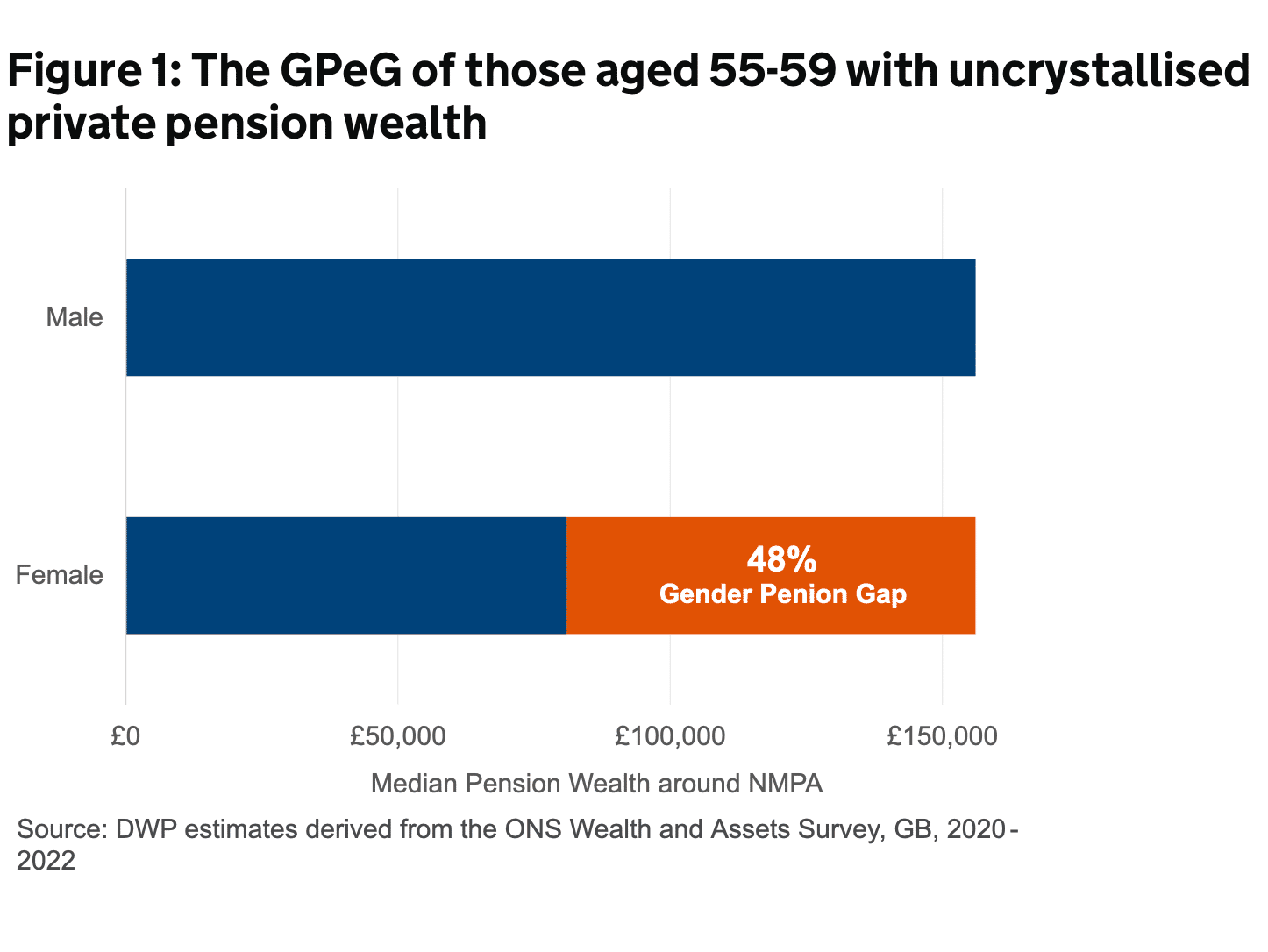
THE Gender Pensions Gap between 2020 and 2022 for those aged 55 to 59 was estimated at £81,000 for women and £156,000 for men — or 48% — according to data published by the Department for Work & Pensions today.
The size of the Gender Pensions Gap, the research found, varies according to age bands. It is smallest for those aged 25 to 29 (22%) and then increases to 52% for those aged 45 to 49.
This pattern is similar to the trajectory of the Gender Pay Gap, which shows a relatively small gap until the age of 40 when it gets larger due to different labour market trajectories of men and women.
Philly Ponniah, Chartered Wealth Manager and Financial Coach at Philly Financial, said: "The Gender Pensions Gap is yet another crisis for women, and it’s growing. The Gender Pension Gap mirrors the Gender Pay Gap: small in early careers, but widening sharply after age 40. It reflects the cost of caregiving, career breaks and systemic inequality. Add in the lack of clear, practical education around what retirement actually looks like if you don’t put enough aside, and it’s no surprise that one in five women live in poverty in retirement.
“Pension inequality isn’t just about income, it’s about time out of work, reduced hours and the invisible cost of care. With women living longer on average, that shortfall isn’t just a gap, it’s a risk to long‑term independence. This situation is unlikely to improve without serious pension policy and education reform.”
Scott Gallacher, Director at Rowley Turton, said this is a societal issue: "The Gender Pensions Gap is primarily a care gap. Women are still far more likely to take time out or reduce hours to look after children or ageing parents — the classic sandwich generation. That interrupts earnings, savings and pension contributions. While financial advice has a role, this is ultimately a societal issue.
“Better childcare, eldercare support and pension reform are key — but so is a cultural shift. If we want equality in pensions, we need equality in caregiving. Men stepping up to share care responsibilities—by taking parental leave or working flexibly—would help level the playing field. There are also tax dynamics at play. The higher earner—often the man—typically gets more tax relief, so families often prioritise his pension. That might be efficient short-term but risks leaving women financially exposed in later life.”
Samuel Mather-Holgate, Independent Financial Adviser at Mather and Murray Financial, added: "It’s understandable that there is a gender gap in pensions as women tend to take more time off when they have young families, and tend to prioritise more flexible working on their return. That said, with changes to paternity rules and a society that seems to be adapting to the changing role of men in bringing up a family, it is a surprise that the pay gap is getting worse rather than shrinking.
"Post-Covid Britain has changed significantly, and more focus on a work-life balance might be playing a greater role in these figures than expected. The disparity will get greater as members get older due to the compounding of larger contributions for men. The government need a strategy to educate the workforce about the importance of pension contributions, on the day we see figures showing overall retirement savings rates are falling."