Copy article

Experts share how to invest this year and what red flags to look for: "2026 needs a mindset shift"

ended 16. January 2026

EXPERTS have given their advice on how to save and invest in 2026 from changing your mindset in taking more risk to being cautious of anything promising quick wins or guaranteed returns.

Inflation figures next week are expected to show a fall in December from November’s 3.2%, bringing it closer to the Bank of England’s (BoE) 2% target.

The BoE base rate is down to 3.75% and this is expected to fall further. It's good news for those looking for new mortgage products and those borrowing money. But it's bad news for those with bank savings accounts.

Falling inflation has led to interest rates on savings accounts going down – so now is the time to invest, experts said.

James Chu, Founding Director at Wisbech-based Tricio Investment Advisors Ltd, shared the biggest red flag when it comes to investing.

He added: "Looking ahead to 2026, the key message for investors is not to put all their eggs in one basket. Spreading investments across different countries and asset types helps reduce risk and smooth returns.

"Last year showed why this matters. The US had been the standout market for several years, but in 2025 places like Japan and emerging markets performed better. Investors who were more diversified generally saw stronger, more balanced returns than those focused mainly on the US.

"Currency also matters. For UK investors, a weaker US dollar reduced the value of returns once converted back into pounds. Using funds that limit currency swings, often called GBP-hedged funds, can help reduce that impact when investing overseas.

"The biggest red flag, however, is often the investor’s own reactions. Constant political and economic headlines can distract from long-term goals. Staying invested over time usually matters far more than trying to time the market. If uncertainty is unsettling, independent financial advice can help keep decisions focused on the long term."

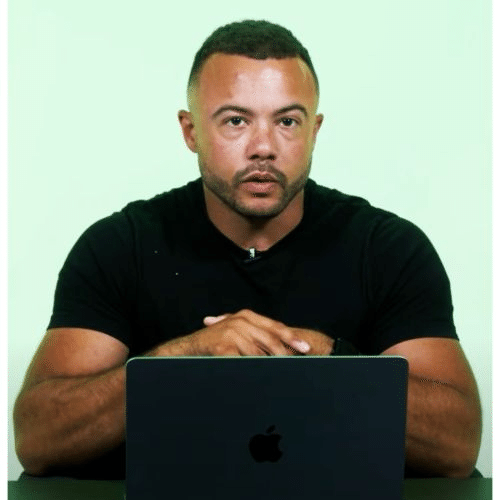
David Belle, Founder and Trader at Fink Money, said we need to take more risk.

He continued: "Investors need to understand what has driven returns over the last 30 years. Momentum. Brits need to be less fearful about a company's share price that has gone up a lot - the likelihood is that it will keep extending higher as long as they keep making money and beating estimates. 

"There is a perception that value is the way to go in Britain - buy low, sell high. What actually works is buy high and sell higher. There is a certain egoism where people think if they buy something they perceive to be high, the market will just turn against them and they will lose money. 

“It's a defeatist arrogance instilled in a lack of risk taking culture. The red flags to watch out for is when you're not buying a company with a quality balance sheet, the speculative stuff that is driven by hype and not innovation or a path to future higher revenues and profit. That's the biggest trap out there.”

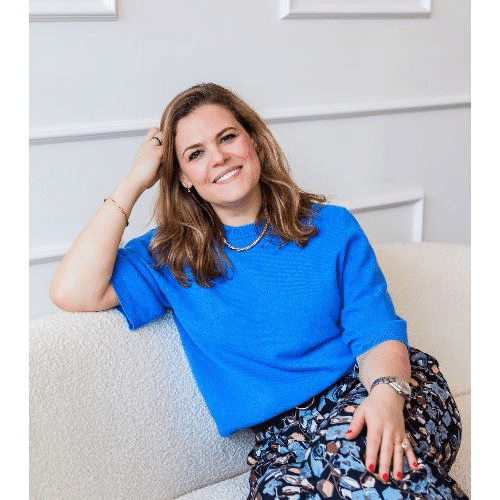
Philly Ponniah, Chartered Wealth Manager and Financial Coach at Philly Financial, said we need a “mindset shift”.

She added: "2026 needs a mindset shift more than a new product. Most people still save what is left over, and that is why progress feels slow. 

"What to change: Treat saving and investing as non-negotiable. Set them up first, automate them, and live on what is left. Automation removes emotion, which is the biggest enemy of consistency. 

"One change that makes the biggest difference: Give your money a clear job. Not ‘saving more’, but what it is actually for. Freedom, options, peace of mind. A clear why keeps people invested when markets wobble. 

“Warnings and red flags: Be cautious of anything promising quick wins or guaranteed returns. Easy money usually hides real risk or is just a scam. Watch the temptation to sit in cash out of fear. Inflation eats away at it over time. The real win in 2026 is boring consistency. Small, regular actions beat clever tactics every time.

Scott Gallacher, Director at Leicester-based Rowley Turton, said you need to think long-term when you are investing.

He continued: “Many investors have made exceptional returns over the last decade from areas such as US tech stocks and, more recently, precious metals, but investment markets are fickle and what worked last year may not work this year or next. 

"Most investors would be best served by a well-diversified portfolio, rather than having all of their eggs in one basket. That approach won’t deliver the very best returns in any single year, but it also helps avoid the very worst outcomes when markets change direction. 

"A key red flag is being drawn into investments purely because of recent strong performance or heavy media attention, rather than sound long-term planning.”

Anita Wright, Chartered Financial Planner at Ribble Wealth Management, said you need to see the bigger picture.

She added: "In 2026, people should stop judging success by headline returns alone and start thinking in purchasing power terms. If your investments rise but your currency buys less, you may feel ‘richer’ on paper while getting poorer in real life. 

"Prioritise owning assets rather than bits of paper. Too many people chase whatever ‘did well’ last year without understanding the wider geopolitical picture and the currency backdrop. Make cash holdings work harder by taking the best available rate and using tax efficiency properly. 

"Be aware of simplistic ‘that fund has been good’ decisions, and any approach that ignores geopolitics, currency debasement and strategic resource tensions. If you cannot see the bigger picture, you risk making reactive, crowded trades that can end painfully when the narrative shifts."


 

7 responses from the Newspage community

Copy all

Copy

This isn't IFA advice, but a perspective from four decades in banking and finance. I see 2026 shifting from a high-inflation, volatile environment toward a neutral but stagnant one. With interest rates cooling, the biggest priority is moving from a "wait and see" approach to "locking it in" for cash savings before yields drop further. Always prioritize tax wrappers; they are a critical shield. Most importantly, shift your mindset from passive savings to "productive investing." The London market remains a premier global "value play." Even with the FTSE 100 surpassing 10,000, it trades at a significant discount compared to its international peers, especially those in the US. Regarding red flags, watch for "Recovery Room" scams targeting those who lost money in crypto, and be wary of apps promising guaranteed returns through "proprietary AI." While AI is a genuine economic driver, many consumer-facing trading platforms are unregulated and high-risk.
Copy

Many investors have made exceptional returns over the last decade from areas such as US tech stocks and, more recently, precious metals, but investment markets are fickle and what worked last year may not work this year or next. Most investors would be best served by a well-diversified portfolio, rather than having all of their eggs in one basket. That approach won’t deliver the very best returns in any single year, but it also helps avoid the very worst outcomes when markets change direction. A key red flag is being drawn into investments purely because of recent strong performance or heavy media attention, rather than sound long-term planning.
Copy

In 2026, people should stop judging success by headline returns alone and start thinking in purchasing power terms. If your investments rise but your currency buys less, you may feel “richer” on paper while getting poorer in real life. Prioritise owning assets rather than bits of paper. Too many people chase whatever “did well” last year without understanding the wider geopolitical picture and the currency backdrop. Make cash holdings work harder by taking the best available rate and using tax efficiency properly. Be aware of simplistic “that fund has been good” decisions, and any approach that ignores geopolitics, currency debasement and strategic resource tensions. If you cannot see the bigger picture, you risk making reactive, crowded trades that can end painfully when the narrative shifts.
Copy

2026 needs a mindset shift more than a new product. Most people still save what is left over, and that is why progress feels slow. What to change: Treat saving and investing as non-negotiable. Set them up first, automate them, and live on what is left. Automation removes emotion, which is the biggest enemy of consistency. One change that makes the biggest difference: Give your money a clear job. Not “saving more”, but what it is actually for. Freedom, options, peace of mind. A clear why keeps people invested when markets wobble. Warnings and red flags: Be cautious of anything promising quick wins or guaranteed returns. Easy money usually hides real risk or is just a scam. Watch the temptation to sit in cash out of fear. Inflation eats away at it over time. The real win in 2026 is boring consistency. Small, regular actions beat clever tactics every time.
Copy

The most dangerous thing today believe it or not, is the 'safety' of your bank account, because sitting in cash while the government inflates away your purchasing power is a guaranteed way to become poorer slowly. The single most impactful change you can make this year is to pivot from being a passive saver to an active investor that is deploying their money in the market.

For the long term investor seeking a quiet life the answer is almost always a boring low cost global index tracker or a multi asset fund. You want to own the haystack rather than searching for the needle while paying a fund manager for the privilege. Funds like the Vanguard LifeStrategy range or the HSBC Global Strategy portfolios are excellent because they automate the asset allocation between equities and bonds for a fee that is barely a rounding error. This works for the vast majority of low to middle income families in Britain with a stable salary/pension and a small amount of savings.
Copy

Investors need to understand what has driven returns over the last 30 years.

Momentum.

Brits need to be less fearful about a company's share price that has gone up a lot - the likelihood is that it will keep extending higher as long as they keep making money and beating estimates.

There is a perception that value is the way to go in Britain - buy low, sell high.

What actually works is buy high and sell higher.

There is a certain egoism where people think if they buy something they perceive to be high the market will just turn against them right there and then and they will lose money.

It's a defeatist arrogance instilled in a lack of risk taking culture.

The red flags to watch out for is when you're not buying a company with a quality balance sheet, the speculative stuff that is driven by hype and not innovation or a path to future higher revenues/profit.

That's the biggest trap out there
Copy

In 2026, investors should maintain diversified investment portfolios across markets and asset classes. In 2025, using the main stock market index as a proxy, emerging markets and Japan outperformed the US. That improved returns by diversifying away from the US, which was a darling for investors for a few years. Policy uncertainties may increase the risk of investing in U.S. stocks, strengthening the case for diversification.

Currency matters when one wants to diversify. £ investors would have received a lower return due to weakness in the US$. Consider using GBP-hedged share classes for some funds and exchange-traded funds in countries such as the US and Japan.

The biggest red flag is the investor's own mindset. Are the political and economic noise distracting you from focusing on long-term financial goals? Time in the market is more important than timing the market. Seek independent financial advice if needed.