
Zoopla research: "For first-time buyers, the property market is fierce"
FIERCE is how one broker has described competition among first-time buyers, as new research from Zoopla reveals that first-time buyer home prices are currently outpacing the rest of the market. They can expect to pay more for their first home than they did a year ago.
Part of the problem, according to a property developer, are “Byzantine planning laws” and the fact that large developers too often build executive homes and luxury flats because planning committees approve profitable developments rather than affordable housing.
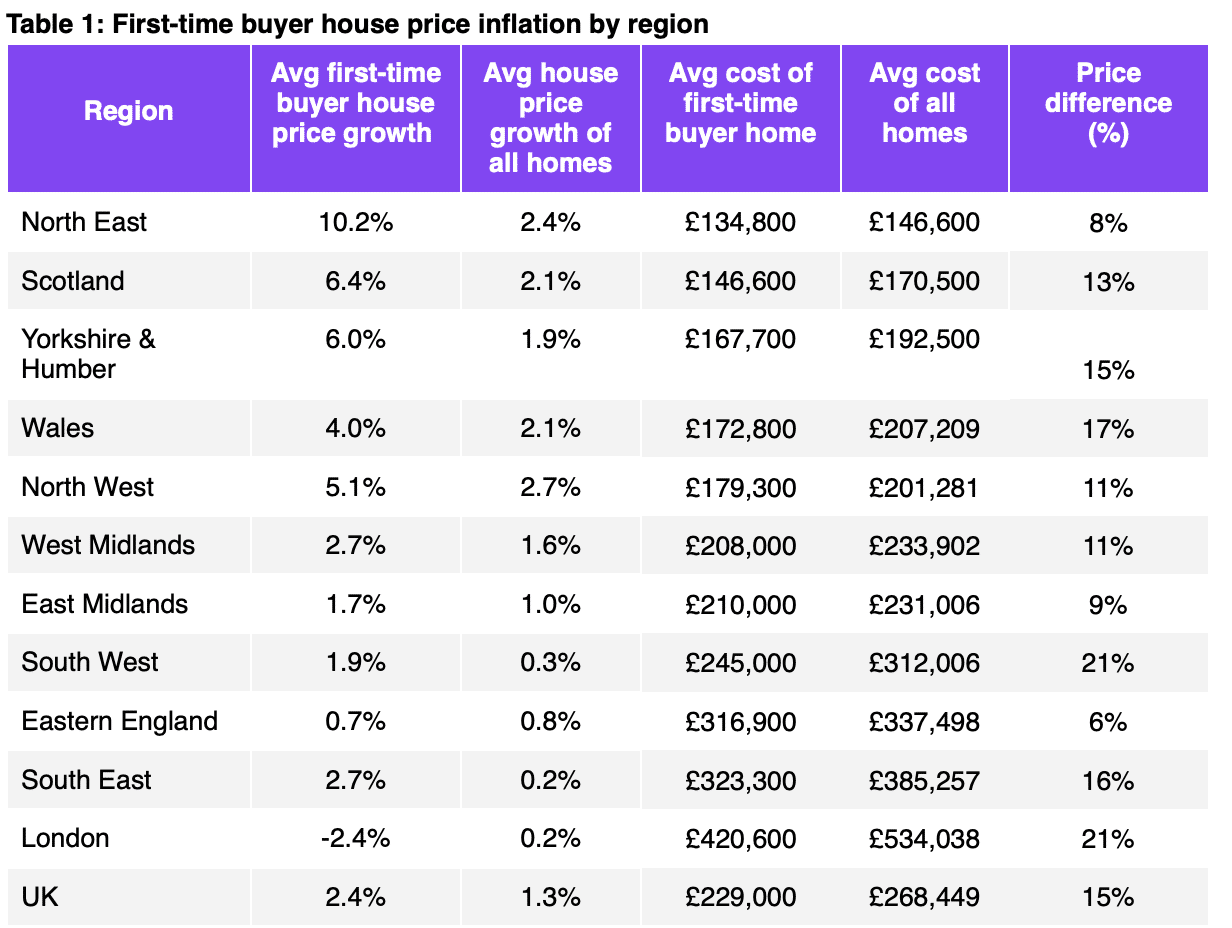
According to Zoopla, the average price of a first-time buyer home is £229,000, a 2.4% increase over the last year and higher than the UK average increase of 1.3%.
First-time buyers are the largest group of home buyers, accounting for 39% of all sales and half (49%) of all new mortgages for home purchase.
In the North East, first-time buyers are looking to buy homes 10.2% higher than a year ago, but in London affordability pressures and higher stamp duty is forcing them to look at homes with lower prices (-2.4%).
First-time buyers typically target homes priced 15% below average prices within local areas with this dropping to a price that is 21% below average in London and the South East.
Commenting on the Zoopla research, Omer Mehmet, Managing Director at Welling-based Trinity Finance, said: "For first-time buyers, the property market is fierce. The fact that first-time buyer homes are rising faster than the rest of the market shows just how intense the competition is at the bottom end of the ladder.
"The North East leading the way highlights where value and opportunity still exist, while London’s drop simply reflects stretched affordability and punishing stamp duty.
"My advice to first-time buyers is to focus on total monthly costs, not just the sticker price — a slightly cheaper home with better energy efficiency or a lower service charge can make all the difference to passing lender affordability tests."
Michelle Lawson, Director at Fareham-based Lawson Financial, added: "Here in the South-east, property prices are steady and first-time buyers are active but the market is on a knife edge. It's disappointing to see the strong regional differences as the premium hits harder here.
"Wages nationally are levelling out but house prices counterbalance this so northern regions have more disposable income and it is easier to save a deposit.
"London is less attractive now due to the flexibility of working from home making the outer perimeter regions and beyond more appealing and affordable than the big cities, which will then push up prices and demand.
"Sellers are holding out and digging their heels in on pricing. On a positive note, there are multiple mortgage options available with low or no deposits so it is imperative to seek advice."
Kundan Bhaduri, Entrepreneur and Landlord at London-based The Kushman Group, said: "The North East's 10%+ price surge has occured precisely because housing construction has virtually stagnated in these parts of the country while London's declining prices suggest even high earners have reached their borrowing limits.
"In parts of the North East and North West, construction costs are simply unviable compared to prevailing house prices. Meanwhile, large developers continue building executive homes and luxury flats in the South because planning committees approve profitable developments rather than affordable housing that generates headlines but minimal returns.
“The fundamental problems of housing supply remain unchanged. The government continues to restrict land supply through Byzantine planning laws and strangely everyone expresses surprise when restricted supply meets unlimited demand through higher prices. Funny world we live in.”
Pete Mugleston, Managing Director at Derby-based onlinemortgageadvisor.co.uk, commented: “First-time buyer prices are rising faster because demand is concentrated at the bottom of the market while supply remains tight.
"Higher up the ladder, stamp duty is discouraging people from moving, so there’s less stock filtering down. At the same time, looser lending and lower mortgage rates have boosted borrowing power, which means more debt chasing too few homes. Add strong population growth, and it’s easy to see why entry-level prices are still climbing.”
Mike Staton, Director at Mansfield-based Staton Mortgages, agreed with Mugleston, saying stamp duty is putting off home movers: "I have recently looked at purchasing a new home for me and my family but was put off by the additional £24k in stamp duty. I will not be the only home mover in this position and this appears to have had a major impact on the home mover property figures.
"If the Labour government needed any evidence that stamp duty is a hindrance to the property market, then these figure are it.
“Unfortunately this will fall on deaf ears, whilst members of the party continue to ignore what the public want and need, whilst acting on a do as I say, not as I do basis.”
Elliott Culley, Director at Hayling Island-based Switch Mortgage Finance, added: "It is unsuprising to see house prices in the south of England and London stagnating or reducing when compared to the rest of the UK.
"First-time buyers looking in these area where hit substantially harder by the government's amendments to stamp duty.
“This has led to a cooldown in this market as first-time buyers are having to save more money to cover the deposit and stamp duty before having the ability to move.As a result buyers are being more savvy when looking for their first house.”