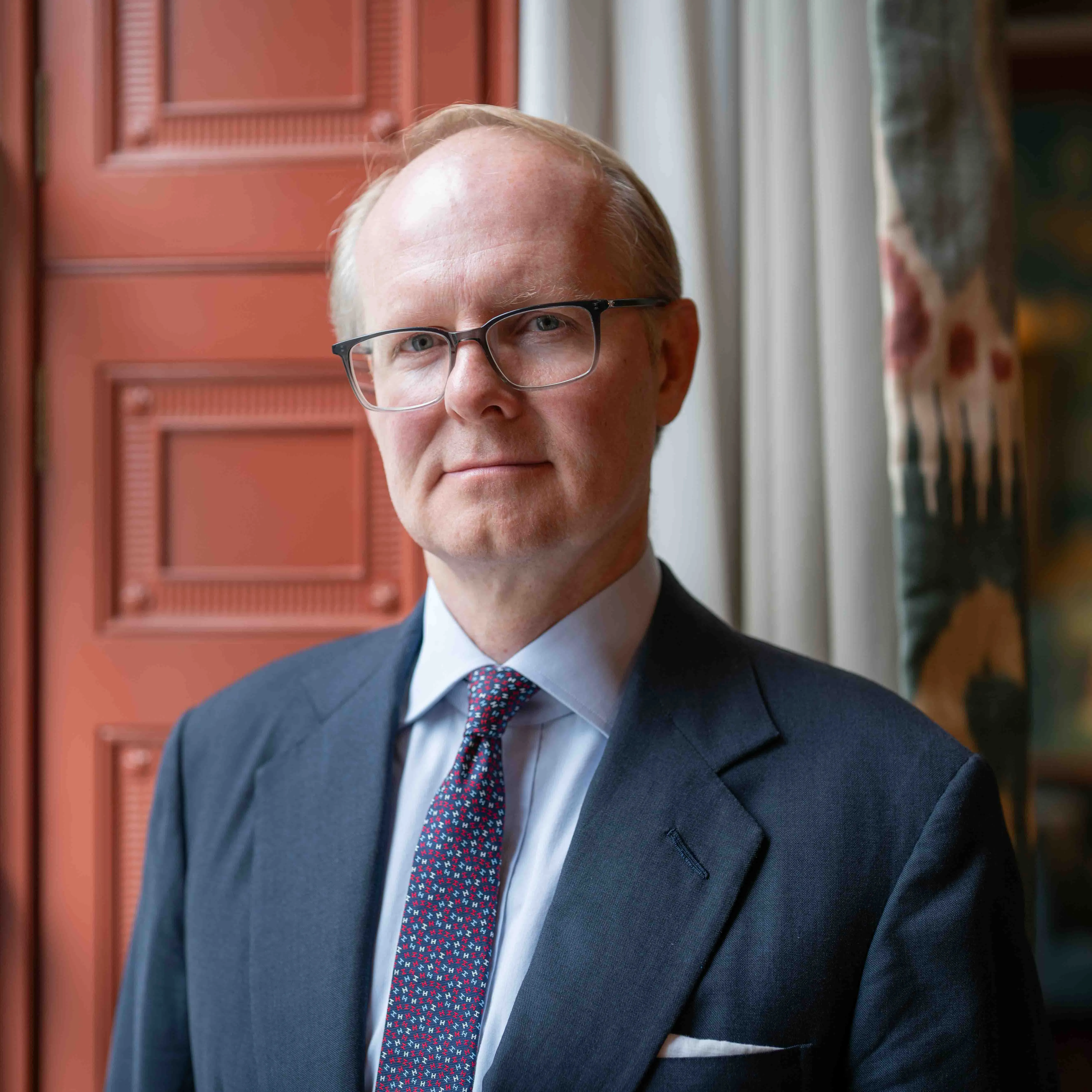
Can today's professionals afford the lifestyle yesterday's professionals took for granted?
Financial planner Scott Gallacher of Rowley Turton says a growing number of his working-age clients are asking some version of the same question:
“Where does all our money go?”
These aren't necessarily people struggling financially. Many are successful professionals, business owners and senior employees earning what most people would regard as very good salaries.
Yet Gallacher says it increasingly feels as though a professional income doesn't buy the lifestyle it once did.
Higher mortgages, the rising cost of everyday life, frozen tax thresholds and the cost of supporting children through university can quietly absorb a very substantial income.
Private school fees are perhaps the clearest example. Gallacher says he increasingly sees third-generation professional families questioning whether they can afford to send their own children to the same schools they attended themselves.
We'd ask the following questions:
- Are you seeing a squeezed middle?
- Can today's doctors, lawyers, accountants, financial professionals and senior managers afford the same lifestyle that people in similar careers enjoyed a generation ago?
- Has fiscal drag changed what constitutes a genuinely “high” income?
- Are families cutting back on holidays, cars, eating out and home improvements simply to maintain other priorities?
- Are things such as private education, larger homes and holiday properties becoming less attainable even for successful professional families?
- And at what income does a household actually start to feel affluent today — £75,000, £100,000, £150,000 or considerably more?
We would be interested to hear what other advisers, economists and consumer experts are seeing.