Is it time for investors to start hedging their international portfolios?
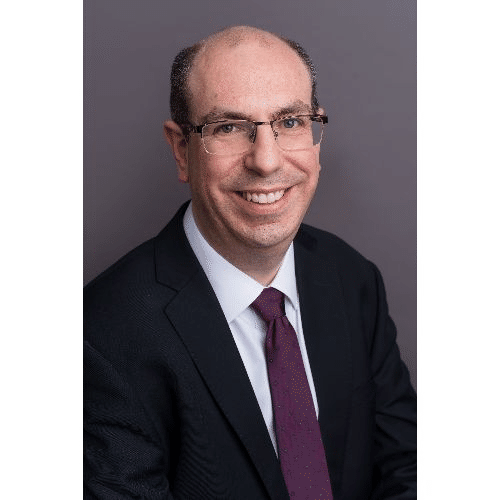
One wealth manager, Faisal Sheikh, Managing Director at Monmouth Capital, has said he is reassessing his approach to investment portfolios carrying international equities and will start hedging them as he believes the dollar's safe haven status is under threat: “Our default was to leave international equity investments in client portfolios unhedged, namely exposed to currency movement. But this is going to change.”
But others were not so sure. Scott Gallacher, Director at Rowley Turton commented: “Currency movements are always a factor in investing, especially with a well-diversified portfolio, where the majority is typically held outside the UK. However, I’d be cautious about trying to hedge out that currency risk. In doing so, you're effectively taking an active position on the future strength of the Pound, which is beyond our core expertise. Many of the underlying international companies are already trading across multiple markets and currencies — and may be running their own hedging strategies. That makes it very difficult to know how an investor’s personal hedging will interact with what’s already being done at the corporate level. While there are growing concerns about the long-term dominance of the US dollar, we also need to ask: given the UK’s structural economic challenges, do we really want to place a long-term bet on a strengthening Pound? So far, no clients have raised this issue with us — and for now, we remain cautious about making currency calls for clients.”
Newspage asked IFAs, traders and forex experts for their views on whether investors now need to consider hedging, below.