Rachel Reeves' "daft" new inheritance tax move turns grandparents into "overnight tax evaders"
EXPERTS have slammed Chancellor Rachel Reeves' latest inheritance tax (IHT) grab as "daft" – as she now goes after family gifts.
The average pensioner gives 10% of their income, an average of almost £2,500, away to family each year.
You can currently give £3,000 a year untaxed as a gift, though wedding gifts are exempt.
Dropping the cap is among the measures being considered by Reeves as she tries to plug a gap in the nation’s finances, according to reports.
Going after family gifts in an IHT grab risks cutting struggling young families off from vital support, research by wealth manager Quilter and the Centre for Economics and Business Research said.
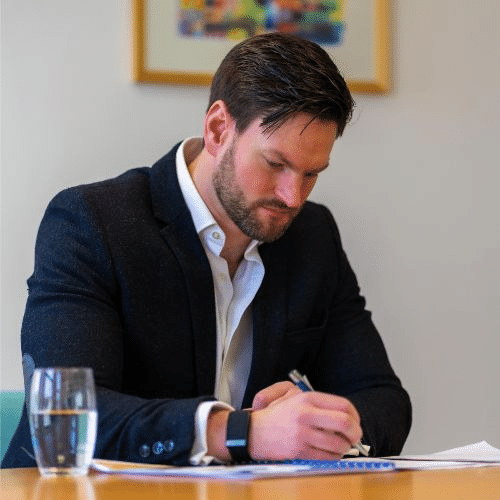
Scott Gallacher, Director at Leicester-based Rowley Turton, called the move “daft” and warned it will turn grandparents into “overnight tax evaders”.
He said: "I can’t believe the Chancellor would be daft enough to cap family gifts. All it would achieve is turning grandparents into overnight tax evaders, with cash gifts to children and grandchildren rocketing to avoid what many already see as an unfair tax.
"At present, with an effective £1m allowance for a married couple with children, most people worry unnecessarily about IHT. But with frozen allowances, more and more families will be dragged into the IHT net in the years ahead.
“My best advice is simple: spend it and enjoy yourself while you can – and beyond that, get proper financial advice to make sure what you want to pass on goes to your family, not the Chancellor.”
Benjamin Beck, Money Coach at Beck Money Coach, said many will be affected by the move.
He added: "Just when we thought it couldn't get worse. Family gifts can be a lifeline for many struggling families, and this change could have serious financial implications, such as getting a good education and getting on the property ladder harder.
"This will affect the many, not just the few. Which is surprising considering Labour's slogan is ‘for the many not the few’. Go figure. The best way to deal with this is to plan early, know the rules and the various allowances.
"Take advantage of the £3,000 annual gift allowance and small gift exemptions (£250 per person) where possible. This isn't practical for the larger monetary requirements. Make use of the 7-year rule whilst we have it and if possible look at insurance for legacy planning."
David Stirling, Independent Financial Adviser at Belfast-based Mint Wealth Ltd, called the move a “blatant attempt to tax the Bank of Mum and Dad”.
He said: “Another day and yet another tax grab idea from our Chancellor, as she this time considers hitting the annual gift allowance exemption. This is a blatant attempt to tax the Bank of Mum and Dad, which so many people rely on to help from day-to-day living expenses to helping with property deposits.
"There isn't much Rachel Reeves is leaving off the table now with IHT and property taxes already being mooted as being changed in the Autumn Budget, and business and pensions already being punished.”
Anita Wright, Chartered Financial Planner at Ribble Wealth Management, gave some advice on how to pass on wealth.
She said: “For individuals concerned about passing money on to family, the key is to plan early and make use of existing allowances. The current IHT framework allows annual gifts of £3,000 small gifts of £250 per person, and exemptions for wedding gifts.
"More significantly, regular gifts out of income that do not affect the donor’s standard of living are immediately outside of IHT – a rule often underutilised. Potentially exempt transfers remain a cornerstone of planning, with taper relief providing protection even if the full seven years is not survived.
"Beyond that, trusts, life insurance, and, in certain cases, business relief can form part of a structured strategy. Any move to clamp down on gifts risks hitting families at the very moment when intergenerational support is most vital. This only highlights the importance of beginning succession planning early, and taking advice to ensure wealth passes in the most efficient manner possible.”