"Excluding business sale proceeds from Temporary High Balance protection is a policy blind spot"
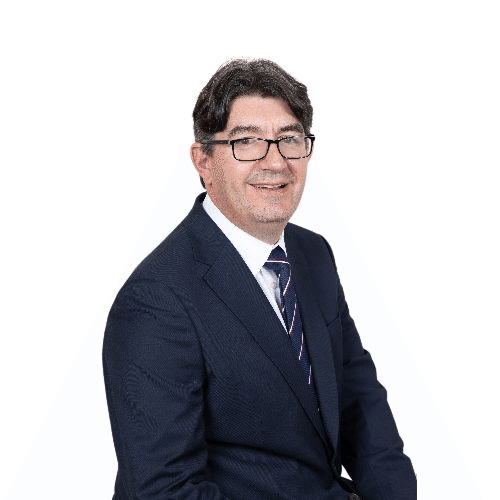
HAVING recently advised on several business sales, IFA Scott Gallacher, Director at Leicester-based Rowley Turton, has identified a surprising — and what he considers to be unfair — gap in the UK’s Financial Services Compensation Scheme (FSCS) protection rules. He has urged the FSCS to take action and correct the loophole, as too many business owners are being left exposed.
Under current rules, individuals benefit from Temporary High Balance (THB) protection of up to £1 million for six months following certain life events such as selling their main residence, receiving an inheritance or a divorce settlement.
However, proceeds from the sale of a business do not qualify for this same protection. That means that an entrepreneur who has spent a lifetime building and running a successful business — and finally sells up to fund their retirement — could find that money at risk if their bank or building society were to fail before it’s reinvested. In contrast, those selling their home or inheriting wealth benefit from a much greater safety net.
Gallacher said: "It’s hard to believe that the FSCS protects inheritance and house sale proceeds up to £1m, but not business sale proceeds. After a lifetime of building a company, the UK's business owners should have at least the same peace of mind as homeowners.
“Extending the same Temporary High Balance protection to business sale proceeds would come at no cost to the government, yet provide immense peace of mind to those owners who’ve worked hard, sold up and simply need a little time to plan for the next stage in their lives.”
Anita Wright, Chartered Financial Planner at Ribble Wealth Management, agreed, referring to the issue as a “policy blind spot”: "Business owners are told they are the backbone of the economy and that selling up is their reward — their pension, in many cases. Yet when they finally exit the safety net is thinner than it is for someone inheriting money.
"The concentration risk is actually higher for a business seller. A house sale rarely leaves you sitting on £2-3m in cash. A business sale can. You cannot realistically split that across enough banks straight away to stay under the £85,000 FSCS limit, so the very people with the most at stake are the most exposed.
"There is also a human point. After a sale, many feel oddly vulnerable. Identity changes overnight: yesterday you were “the business”, today you are “someone with cash in the bank”. That comes with a fear of making a catastrophic mistake.
“At exactly that vulnerable moment, the rational instinct is to park it in cash while you take advice. Excluding business sale proceeds from Temporary High Balance protection is a policy blind spot."
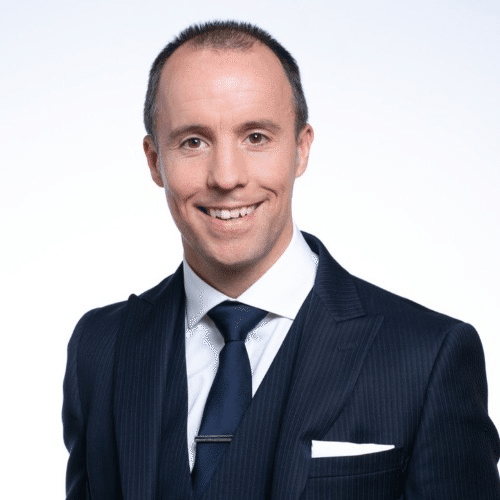
Eamonn Prendergast, Chartered Financial Adviser at Bromley-based Palantir Financial Planning Ltd, said it's deeply unfair that business owners are penalised for success.
He continued: "An entrepreneur can spend decades building a company, sell up to fund their retirement, and yet be told that only £85,000 of those proceeds are protected if their bank collapses. That’s a lifetime’s work left on the line.
"I work with many business owners, and they’re shocked when they realise that selling a home is protected up to £1 million — but selling a business isn’t.
"There are ways to reduce the risk, such as using cash management services that spread deposits across up to 40 banks, each with FSCS protection. But this comes with extra due diligence and complexity that most people shouldn’t have to face after selling their life’s work.
“It’s time the FSCS modernised its rules to give Britain’s business builders the same safety net as homeowners and heirs.”
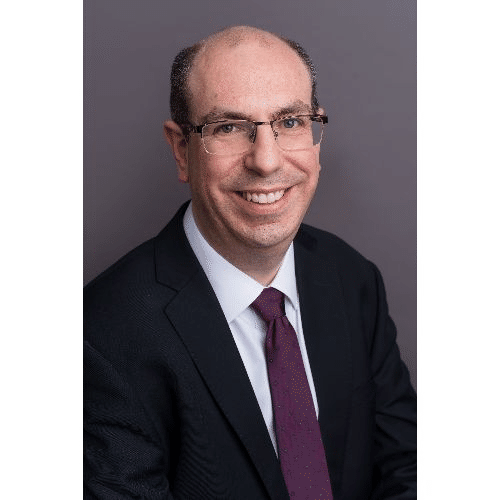
Rob Mansfield, Independent Financial Advisor at Tonbridge-based Rootes Wealth Management, said: “The FSCS is a great scheme, but it’s vague and most people don’t understand it. The key question is, what is this protection scheme for? It's to give confidence in the banking system and keep the economy moving. This safety net has some holes in it.”